
Eagle in Sign Language (ASL)
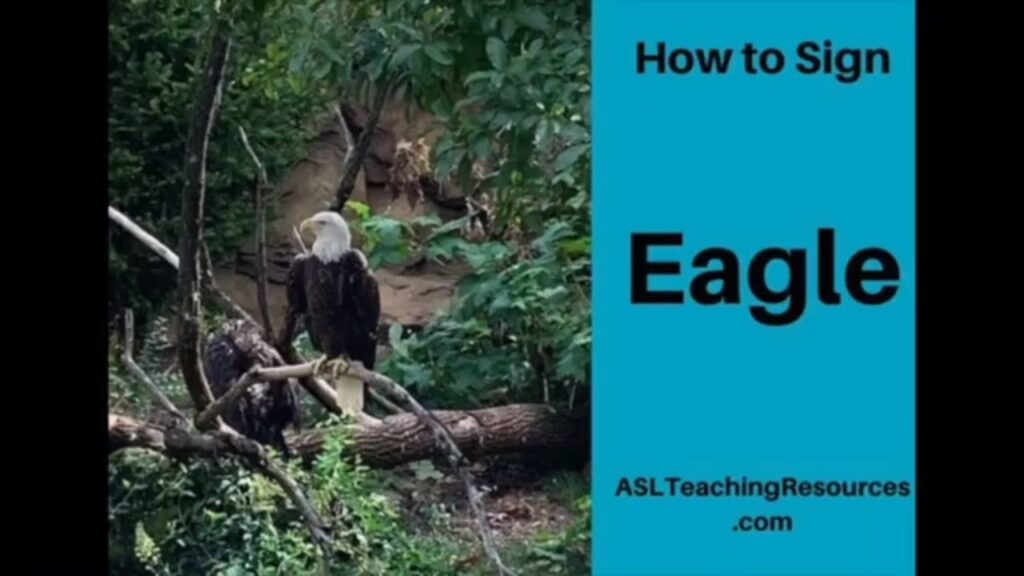
The sign for Eagle represents the majestic bird known for its strength and keen vision. It is commonly used when discussing wildlife, nature, or as a symbol of freedom and power. This sign can be particularly meaningful in contexts involving American culture, where the eagle is a national symbol.
[VIDEO_PLACEHOLDER]
Table of Contents
Forming the sign
- Handshape: Start with your dominant hand in the ‘E’ handshape. This is done by curling your fingers into a fist with the thumb extended below the fingers, resembling the shape of an eagle’s head.
- Location: Place your hand in front of your face, specifically around the area of your forehead or above.
- Movement: Move your hand slightly outward and upward from the starting point, mimicking the motion of an eagle taking flight.
- Non-manual signals: Accompany the sign with an expressive facial expression, reflecting the majesty or significance of the eagle. A slight raise of the eyebrows can enhance the meaning, indicating admiration or awe.
This sign captures not just the appearance of the eagle, but also its dynamic nature. The movement is essential in conveying the idea of flight, while the facial expression adds emotional depth.
Using “Eagle” in sentences
In a sentence, you might say, “I saw an eagle soaring high in the sky,” which translates to ASL by combining the sign for “Eagle” with the signs for “I see” and “high in the sky.” Another example could be, “The eagle is a symbol of freedom,” using “Eagle” as a subject to emphasize its importance in American symbolism. These examples show how the sign can be integrated into larger statements about nature and culture.
Signs related to “Eagle”
Several signs are associated with different birds or nature concepts, which can complement the sign for Eagle. Here are some related signs:
- Bird – A general term for avian creatures.
- Falcon – A bird of prey known for its speed.
- Owl – Often symbolizes wisdom.
- Fly – The action of moving through the air, applicable to birds.
- Nature – Encompasses all wildlife, including birds.
Where this sign comes from
The sign for Eagle has its roots in the imagery associated with the bird itself. In American culture, the eagle is revered for its strength and is often depicted in art and symbolism. This sign reflects that cultural significance, allowing signers to express admiration and respect for the eagle. The handshape resembles the bird’s head, while the movement mimics the act of flying, creating a visual representation that is both imaginative and memorable.
Common confusion with a similar sign
It’s easy to confuse the sign for Eagle with that of another bird, such as ‘hawk.’ Both signs involve a similar handshape and location; however, the movement and specific nuances in facial expression can help distinguish them. Ensure you practice the movements and expressions to avoid mixing them up, especially in conversation.
FAQ
What is the significance of the eagle in Deaf culture?
The eagle is often seen as a symbol of freedom and strength within Deaf culture, reflecting the values of independence and resilience among individuals who are Deaf or hard of hearing.
Can I use the sign for eagle in a more abstract way?
Yes, you can use the sign metaphorically to describe someone’s strong character or independence, much like the attributes associated with the bird itself.
Is there a difference when signing “Eagle” in different regions?
While the basic sign remains consistent, some regions may have slight variations in movement or facial expression. It’s beneficial to observe local signers for nuances.
How can I practice the sign for “Eagle”?
Practice in front of a mirror to refine your handshape and movement. Additionally, try using it in sentences with friends or during storytelling to enhance your comfort with the sign.
What should I focus on when teaching “Eagle” to beginners?
Encourage beginners to focus on the handshape and movement, while also emphasizing the importance of facial expression to convey the eagle’s majestic nature.
Practice ASL Signs
Use your camera to practice signs and get real-time AI feedback on your technique.
Free · No signup required