
Pacific Islander in New Zealand Sign Language (NZSL)
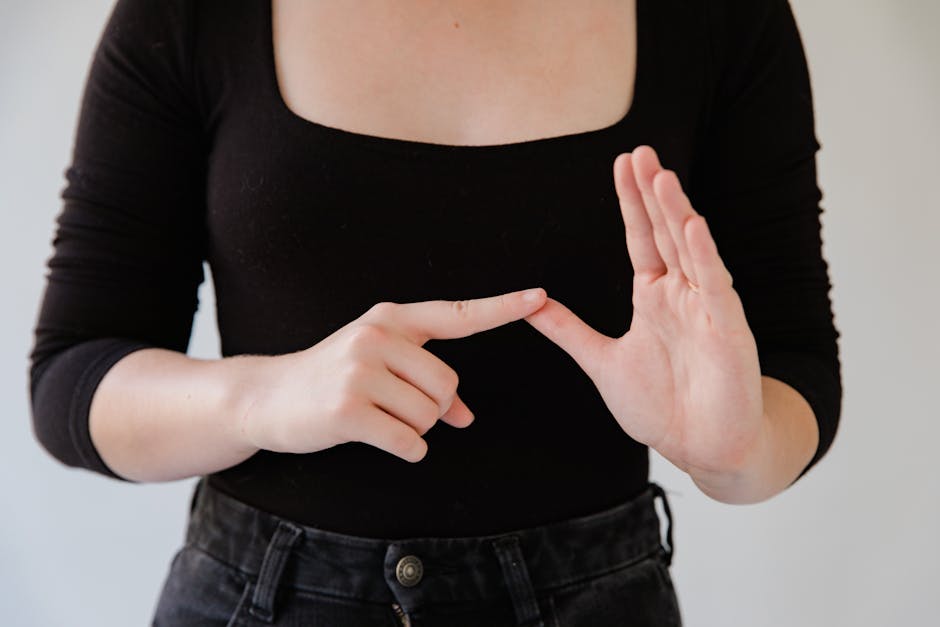
The sign “pasifikapacific islandertangata moana” is used in NZSL to refer to individuals from the Pacific Islands or those who identify as Pacific Islanders. This sign is significant within the NZ Deaf community, particularly among those who celebrate and acknowledge their cultural heritage. It combines elements from both NZSL and te reo Māori, reflecting the rich cultural tapestry of New Zealand.
Table of Contents
How to Sign “Pasifikapacific Islandertangata Moanaadjective; Noun” in NZSL
- Start with your dominant hand in a flat handshape (like a “B” hand) and place it near your chest.
- Move your hand outward in a small arc, while slightly bending your wrist, as if you are drawing a line of connection.
- As you move your hand, nod your head slightly to emphasize the significance of the sign.
- Finish the movement with your hand open, palm facing forward, to indicate inclusivity and community.
Common Mistakes
- Forgetting to use the correct handshape, which can lead to confusion with other signs.
- Not incorporating facial expressions, which are crucial in NZSL for conveying meaning.
- Using a static hand position instead of incorporating movement, which can make the sign less expressive.
NZSL vs ASL
In NZSL, the sign for “pasifikapacific islandertangata moana” incorporates a specific handshape and movement that reflects the cultural context of New Zealand. In contrast, ASL uses a different sign that may not convey the same cultural significance or connection to Pacific Islander identity.
Related Signs
- (All Of) You: A sign to refer to a group of people.
- (Baby’s) Dummy: A sign related to infants and their needs.
- (Be) Careful: A sign used to warn or advise caution.
- (Be) Passive: A sign indicating a state of being.
Frequently Asked Questions
How can I use this sign in a sentence?
You can say, “I am pasifikapacific islandertangata moana,” by signing the phrase after stating your identity.
Are there regional variations in this sign across NZ?
While the core sign remains consistent, some regions may have slight variations in movement or handshape based on local dialects.
What are some similar signs?
Signs like “Māori” and “culture” share similar contexts and can be used in discussions about identity.
What tips do you have for learning this sign?
Practice in front of a mirror to ensure your handshape and movement are correct, and watch native signers to pick up nuances.
Can I use this sign in formal settings?
Yes, this sign is appropriate in both informal and formal settings when discussing identity or culture.
How does this sign relate to te reo Māori?
The sign incorporates elements of te reo Māori, reflecting the intertwined cultures of New Zealand.
Practice This Sign
Try signing Pasifikapacific Islandertangata Moanaadjective; Noun with your camera and get AI coaching on your handshape, movement, and location.
Free · No signup required