
Okay in New Zealand Sign Language (NZSL)
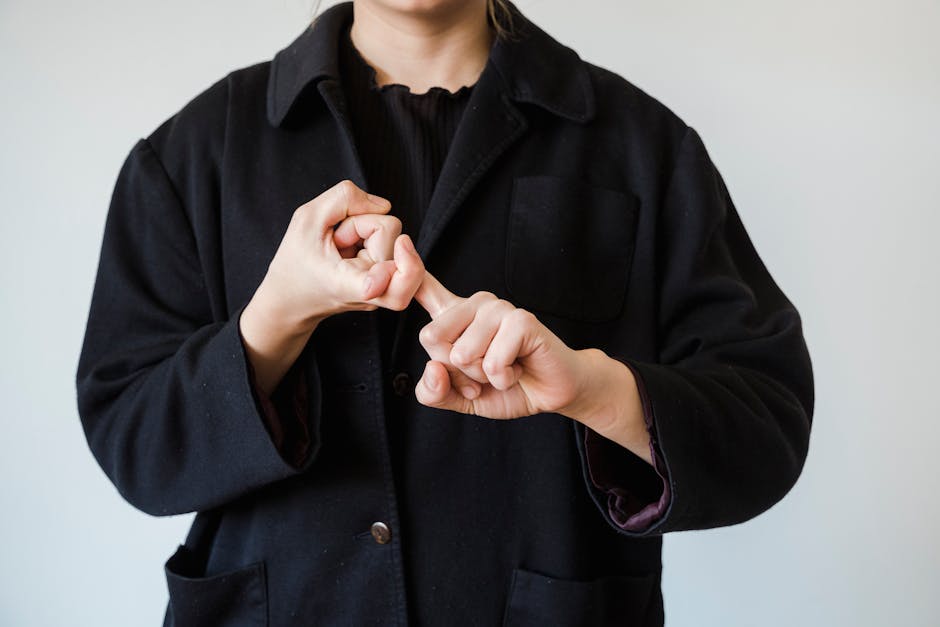
The sign “okay” or “oke pai ana” is commonly used in the New Zealand Deaf community to express agreement, reassurance, or that something is acceptable. It can be used in casual conversations, as a way to affirm understanding or approval, making it a versatile sign in everyday interactions.
Table of Contents
How to Sign “Okayall Right, Oke Pai Anaadjective; Interjection” in NZSL
- Begin with your dominant hand in a fist shape.
- Extend your thumb and index finger to create the shape of the letter “O”.
- Position your hand in front of your chest, approximately at chin level.
- Move your hand in a small circular motion or slightly nod your head while maintaining a neutral facial expression.
Common Mistakes
- Some learners may forget to use the circular motion, leading to a less natural sign.
- Confusing the hand shape with a flat hand instead of an “O” shape can change the meaning.
- Omitting facial expressions, which are crucial for conveying context and emotions in NZSL.
NZSL vs ASL
In NZSL, the sign for “okay” is performed with a unique “O” handshape and movement. In contrast, ASL uses a similar handshape but the movement and location may differ slightly. This highlights the distinctiveness of NZSL from its influences, including BSL.
Related Signs
- (All Of) You – Used to refer to a group of people.
- (Baby’S) Dummy – A sign for a baby’s pacifier.
- (Be) Careful – To express caution or the need to take care.
- (Be) Passive – Signifying a state of being or passivity.
Frequently Asked Questions
How can I use “oke pai ana” in a sentence?
You can use it to agree with someone, for example: “I think we should go now.” “Okay, let’s go!”
Are there regional variations of this sign in New Zealand?
While the sign is generally consistent, some regional variations may exist based on local dialects or community preferences.
What is a similar sign to “oke pai ana”?
A similar sign is “all good,” which conveys a sense of reassurance or positivity.
What tips do you have for learning this sign?
Practice in front of a mirror to check your hand shape and movement. Watching native signers can also help you grasp the nuances.
Can I use this sign in formal situations?
While it’s more casual, “oke pai ana” can be used in formal settings if the context is appropriate and friendly.
What facial expressions should accompany this sign?
A neutral or slight smile typically works best. Your facial expressions should match the context of your conversation.
Practice This Sign
Try signing Okayall Right, Oke Pai Anaadjective; Interjection with your camera and get AI coaching on your handshape, movement, and location.
Free · No signup required