
Of Course, By All Means, No Doubt, No Doubt About It, No Problem in New Zealand Sign Language (NZSL)
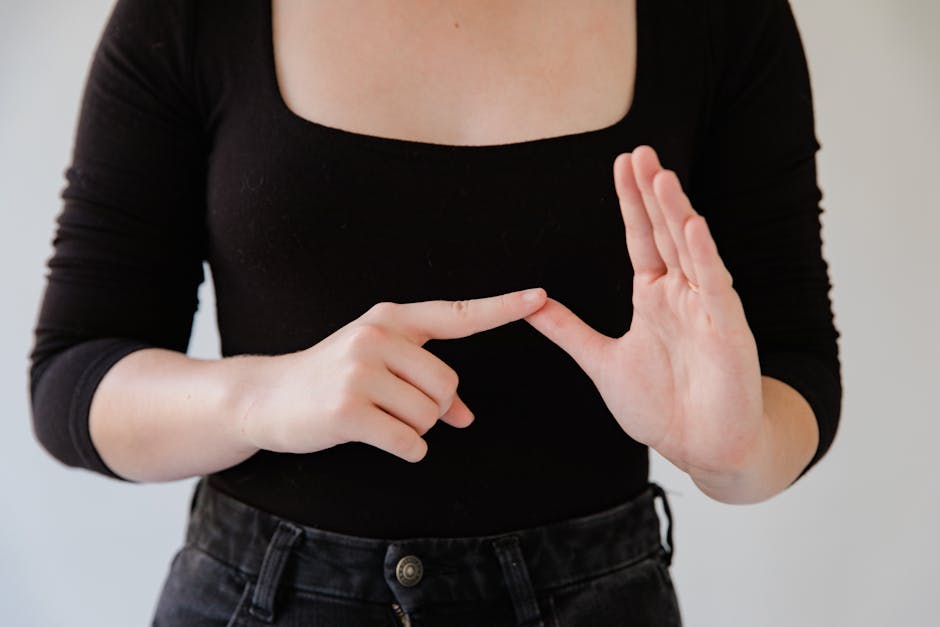
The sign for “of course,” also expressed as “by all means,” “no doubt,” or “no problem,” is commonly used in the New Zealand Deaf community to affirm or agree with something. It’s a friendly, positive expression that conveys assurance and support, often used in casual conversations or discussions. This sign reflects the vibrant culture and communication style of the Deaf community in New Zealand.
Table of Contents
How to Sign “Of Courseby All Means, No Doubt, No Doubt About It, No Problem, Whateverehara Tonu, Engari Tonu, āE MāRikainterjection; Phrase” in NZSL
- Start with your dominant hand in a flat handshape (like a ‘B’ handshape).
- Position your hand near the side of your forehead, with your palm facing outwards.
- Move your hand slightly forward from the forehead, while maintaining the flat handshape.
- As you sign, use a facial expression that conveys enthusiasm or assurance, like a smile or nodding.
Common Mistakes
- Using the wrong handshape, such as a closed fist instead of a flat hand.
- Not using facial expressions, which are essential in NZSL to convey the tone of the message.
- Overextending the movement; the sign should be subtle and smooth.
NZSL vs ASL
In NZSL, the sign for “of course” involves a flat hand moving from the forehead, whereas in ASL, a different approach is used with a more varied handshape and movement. These differences highlight the unique characteristics of NZSL, which is influenced by British Sign Language (BSL) and incorporates aspects of te reo Māori.
Related Signs
- (All Of) You
- (All Of) Youyou Allkoutou (Katoa)Pronoun
- (Be) Careful
- (Be) Passive
Frequently Asked Questions
Can I use this sign in a sentence?
Yes! For example, you could say, “Can you help me with this?” and reply with the sign for “of course” to show your agreement.
Are there regional variations in how this sign is performed?
While the sign is generally consistent, some regional variations in facial expressions and subtle hand movements may exist across different areas in New Zealand.
What other signs are similar to this one?
Signs like “yes,” “sure,” and “absolutely” convey similar meanings of affirmation and agreement.
How can I practice this sign?
Practice in front of a mirror to observe your handshape and facial expressions. Additionally, try using it in conversations with friends.
Is this sign used in formal settings?
Yes, this sign can be used in both formal and informal settings, making it versatile for various conversations.
Are there signs in te reo Māori related to this concept?
Yes, some te reo Māori phrases convey agreement and affirmation, reflecting the cultural ties between NZSL and te reo Māori.
Practice This Sign
Try signing Of Courseby All Means, No Doubt, No Doubt About It, No Problem, Whateverehara Tonu, Engari Tonu, āE MāRikainterjection; Phrase with your camera and get AI coaching on your handshape, movement, and location.
Free · No signup required