
Nipples in New Zealand Sign Language (NZSL)

The NZSL sign for “nipples” is used primarily in discussions related to anatomy, health, and parenting, particularly in contexts involving breastfeeding. It is an important sign for clear communication within the Deaf community regarding topics related to human anatomy and well-being.
Table of Contents
How to Sign “Nipples” in NZSL
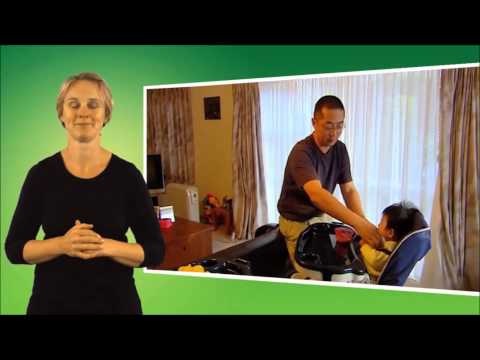
- Start with both hands in a flat “B” handshape (palm facing down).
- Position your hands just above your chest, approximately where your nipples would be.
- Make a gentle downward motion with both hands, as if indicating the area of the nipples.
- Maintain a neutral facial expression, or you can show a slight expression that matches the context of the conversation.
Common Mistakes
- Using the wrong handshape; ensure your hands are in a flat “B” shape.
- Positioning the hands too low or too high; aim for the correct chest area for clarity.
- Not using appropriate facial expressions, which can convey additional context and meaning.
NZSL vs ASL
In NZSL, the sign for “nipples” involves a specific handshape and positioning unique to its context. In contrast, ASL uses a different sign that may incorporate different hand movements or shapes. Understanding these differences is essential for effective communication between the two sign languages.
Related Signs
- (Baby’s) Dummy – This sign refers to a pacifier used for infants.
- (Be) Born, (Give) Birth – Used in discussions about childbirth.
- (Be) Passive – A sign expressing passivity or lack of action.
Using “Nipples” in Everyday Conversations
The sign for “nipples” can come up in various everyday conversations, particularly in contexts related to health, anatomy, or parenting. Here are a few example sentences that can help you see how to use this sign naturally:
- “Baby needs milk, check nipples.” (Context: Discussing breastfeeding)
- “Nipples sensitive during pregnancy.” (Context: Talking about pregnancy experiences)
- “I saw a doctor about my nipples.” (Context: Discussing a health concern)
Using the sign in these contexts helps to clarify the conversation and ensure everyone understands the topic being discussed.
Cultural Notes
In the New Zealand Deaf community, the sign for “nipples” is more than just a physical description; it embodies a cultural understanding of body awareness and health. Since NZSL was officially recognized as a language in 2006, there has been a growing emphasis on teaching and using NZSL in various settings, including health education. This helps empower the Deaf community to communicate about their bodies confidently and accurately.
There is also a connection to te reo Māori, as many signs in NZSL draw inspiration from Māori concepts and cultural practices. Understanding these connections can enrich your appreciation of the language and make your learning experience more meaningful. Additionally, while NZSL is used throughout New Zealand, some regional variations may exist, and it’s helpful to be open to different ways of signing.
Tips for Learning This Sign
Practicing the sign for “nipples” can be made easier with some fun and engaging methods. Here are a few tips:
- Mirror Practice: Stand in front of a mirror while practicing the sign. This allows you to check your handshape and placement, ensuring that you’re signing accurately.
- Facial Expressions: Pay attention to your facial expressions when signing. They can add important context to the message you’re conveying. Practice smiling or showing concern as needed.
- Use in Short Sentences: Incorporate the sign into simple sentences during your practice. This will help reinforce your memory and make the sign feel more natural in conversation.
By integrating these techniques into your learning routine, you can become more confident in using the sign for “nipples” and expand your overall NZSL skills.
Frequently Asked Questions
How can I use “nipples” in a sentence?
You could say, “Breastfeeding helps with the baby’s connection to the nipples.”
Are there regional variations of this sign in New Zealand?
While the sign is generally consistent, some regions may have slight variations in handshape or movement.
What are some similar signs?
Related signs include “breastfeed” and “baby,” which are often used in similar contexts.
What tips do you have for learning this sign?
Practice in front of a mirror to ensure hand positioning and facial expressions are correct. Engage with the Deaf community to observe and learn.
Can I use this sign in a formal setting?
Yes, as long as the context is appropriate, particularly in medical or educational discussions.
Is this sign used by children as well?
Yes, children can learn and use this sign, especially in contexts related to health and education about their bodies.
Practice This Sign
Try signing Nipples with your camera and get AI coaching on your handshape, movement, and location.
Free · No signup required