
Maori in New Zealand Sign Language (NZSL)
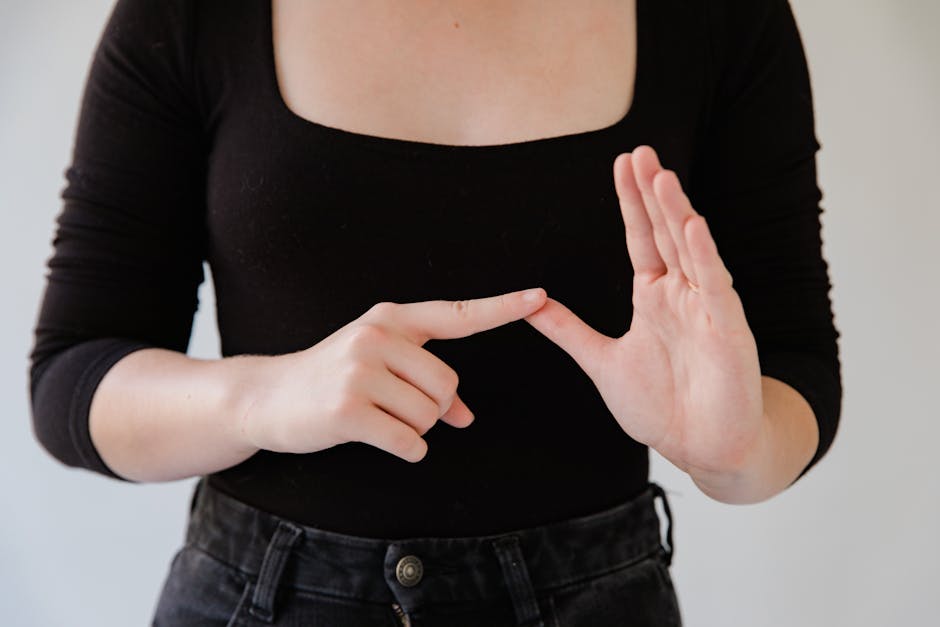
The sign “māoriindigenous, tangata whenuamāoriadjective; noun” represents the Māori people, their culture, and their identity as the indigenous population of New Zealand. This sign is often used in discussions about cultural heritage, identity, and social issues within the Deaf community. It is important to approach this topic with respect and understanding of its cultural significance.
Table of Contents
How to Sign “MāOriindigenous, Tangata WhenuamāOriadjective; Noun” in NZSL
- Start with your dominant hand in a flat handshape (palm down).
- Position your hand in front of your chest.
- Move your hand in a small circular motion, making sure to keep the palm facing down throughout.
- As you make the circular motion, express a sense of pride and respect on your face; this enhances the meaning of the sign.
Common Mistakes
- Not using the correct handshape; ensure it’s flat and not in a fist.
- Moving the hand too quickly, which can make the sign unclear.
- Neglecting facial expressions, which are crucial in conveying the cultural significance of the sign.
NZSL vs ASL
In NZSL, the sign for “Māori” has a unique handshape and movement that reflects its cultural context, while in ASL, the sign for “Māori” may vary and does not carry the same specific cultural significance. This highlights the importance of understanding the cultural and linguistic differences between the two sign languages.
Related Signs
- Tangata – Meaning “person” or “people” in te reo Māori.
- Kāinga – Referring to “home” or “place of belonging.”
- Whānau – Meaning “family” in te reo Māori, emphasizing kinship.
- Awa – Sign for “river,” significant in Māori culture.
- Kiwi – A symbol of New Zealand identity and culture.
Frequently Asked Questions
How can I use this sign in a sentence?
You can use it in sentences like “I am Māori,” by combining it with the sign for “I” and “am.”
Are there regional variations of this sign in New Zealand?
While the sign is generally consistent, slight variations in movement may occur in different regions. Observing local usage is beneficial.
What are some signs similar to “Māori”?
Signs like “Tangata” and “Whānau” are related as they also reflect Māori culture and identity.
What tips do you have for learning this sign?
Practice with peers in the Deaf community and pay attention to facial expressions, as they add depth to the sign’s meaning.
Can this sign be used in formal contexts?
Yes, it is appropriate in both informal and formal settings when discussing Māori culture or identity.
What should I keep in mind when using this sign?
Always approach discussions around Māori culture with respect and awareness of its significance to the community.
Practice This Sign
Try signing MāOriindigenous, Tangata WhenuamāOriadjective; Noun with your camera and get AI coaching on your handshape, movement, and location.
Free · No signup required