
Lose One’s Virginity (Māori: riro te puhitanga) in New Zealand Sign Language (NZSL)
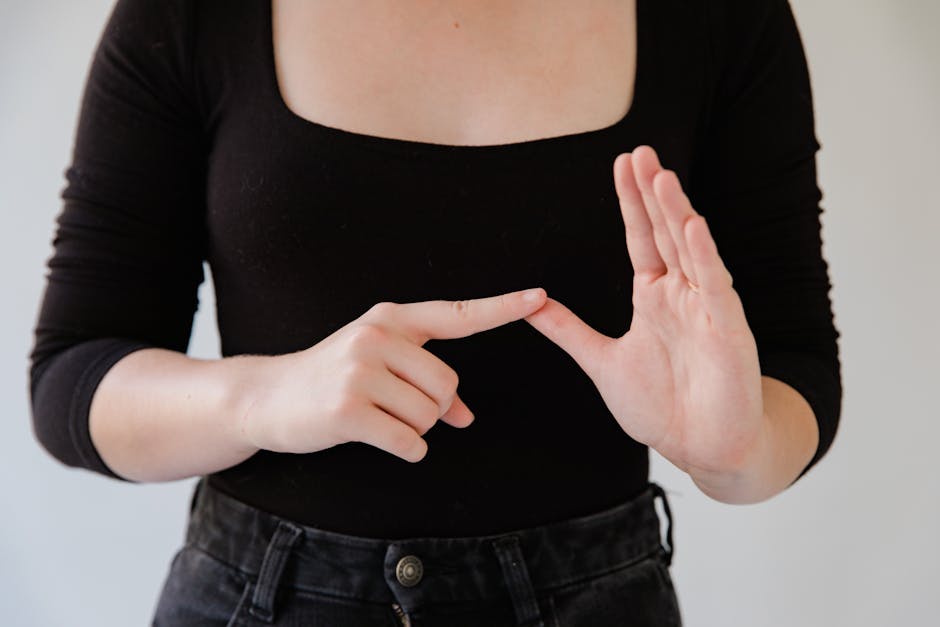
The NZSL sign for “lose one’s virginity” or “riro te puhitanga” is a culturally sensitive term used within the Deaf community to discuss intimate experiences. It reflects a significant life event, often shared among peers in a respectful and understanding manner.
Table of Contents
How to Sign “Lose One’s Virginityriro Te Puhitangaverb” in NZSL
- Start with your dominant hand in a flat “5” handshape, palm facing up.
- Place your non-dominant hand in a flat “5” handshape, palm facing down, above the dominant hand.
- Move your dominant hand away from your non-dominant hand in a smooth motion, simulating the idea of something being released or lost.
- Maintain a neutral facial expression, or adjust to a more serious expression to reflect the significance of the topic.
Common Mistakes
- Forgetting to use facial expressions, which are crucial in NZSL for conveying emotions and context.
- Using the wrong handshape; ensure both hands are in a flat “5” as this is key to the sign.
- Rushing the movement; take your time to clearly show the action of losing something.
NZSL vs ASL
In NZSL, the sign for “lose one’s virginity” is distinct and incorporates local cultural nuances. In contrast, ASL uses a different sign that may not carry the same contextual meaning, showing how each sign language reflects its own cultural values and experiences.
Related Signs
- (All Of) You – A sign used to refer to a group of people in a friendly manner.
- (Baby’s) Dummy – This sign refers to a pacifier, often used in discussions about infants.
- (Be) Born, (Give) Birth – Related to the topic of life events and beginnings.
Frequently Asked Questions
Can I use this sign in a sentence?
Yes, you can incorporate this sign into sentences about personal experiences. For example: “I lost my virginity at 18,” can be signed using this sign in context.
Are there regional variations for this sign in New Zealand?
The sign is generally consistent across New Zealand, but individual expressions may vary slightly depending on local Deaf community influences.
What are some similar signs?
Similar signs include those related to intimacy and personal experiences. Feel free to explore related signs for context.
How can I improve my signing of this term?
Practice with a fluent NZSL signer and pay attention to facial expressions and hand movements for clarity and emphasis.
Is this sign appropriate to use in all contexts?
This sign is sensitive and should be used thoughtfully, ensuring the audience is comfortable with the topic.
What should I consider when discussing this topic?
Be mindful of the audience and the context—this is a personal subject, and sensitivity is key.
Practice This Sign
Try signing Lose One's Virginityriro Te Puhitangaverb with your camera and get AI coaching on your handshape, movement, and location.
Free · No signup required