
Lizard, Snake (Māori: tuataramokomoko, nākahi) in New Zealand Sign Language (NZSL)
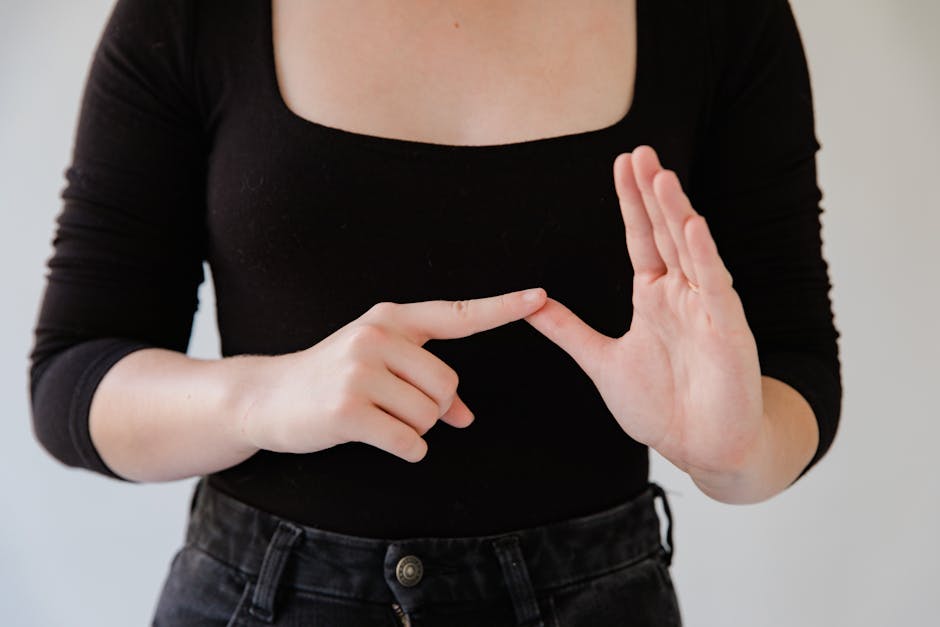
The sign for “lizard” in NZSL, also known as snaketuataramokomoko or nākahinoun, refers to the various types of lizards found in New Zealand, including the well-known tuatara. This sign is commonly used in discussions about wildlife, nature, and cultural references within the Deaf community, particularly when talking about New Zealand‘s unique fauna.
Table of Contents
How to Sign “Lizard, Snaketuataramokomoko, NāKahinoun” in NZSL
- Start with your dominant hand in a flat ‘B’ handshape (palm facing down).
- Position your hand at the side of your face, near your cheek.
- Move your hand forward slightly while twisting it to face the audience.
- Maintain a neutral facial expression, but feel free to add enthusiasm as you convey the sign.
Common Mistakes
- Confusing the ‘B’ handshape with a fist; remember to keep your fingers flat.
- Forgetting to twist the hand to face the audience, which is crucial for clarity.
- Rushing the movement; take your time to ensure the sign is clear and expressive.
NZSL vs ASL
In NZSL, the sign for “lizard” involves a flat handshape and specific movement that differs from ASL. ASL may use a different handshape and movement altogether. Each sign is uniquely influenced by the respective culture and environment, highlighting the diversity within sign languages.
Related Signs
- Snake – A sign representing snakes, often used in discussions about reptiles.
- Gecko – This sign is used for various gecko species in New Zealand.
- Tuatara – Specifically refers to the unique reptile native to New Zealand.
- Lizard – A general term for small reptiles, often used interchangeably.
Frequently Asked Questions
How can I use “lizard” in a sentence?
You could say, “I saw a lizard in the garden,” by signing “I SEE LIZARD GARDEN.”
Are there regional variations for this sign in New Zealand?
The sign is generally consistent across regions, but some local dialects may have slight variations in movement.
What should I do if I confuse this sign with another?
Practice the handshape and movement slowly; watching native signers can also help clarify the differences.
Is this sign used in Māori culture?
Yes, it reflects an important aspect of New Zealand’s natural world, and awareness of the unique species found here.
Can I use this sign while talking about other reptiles?
While it specifically refers to lizards, you can adapt your signing to include context for other reptiles.
What are some tips for learning this sign?
Practice in front of a mirror, and try to mimic the facial expressions and movements of fluent signers.
Practice This Sign
Try signing Lizard, Snaketuataramokomoko, NāKahinoun with your camera and get AI coaching on your handshape, movement, and location.
Free · No signup required