
Loose in New Zealand Sign Language (NZSL)

The sign for “loose” in New Zealand Sign Language (NZSL) conveys the idea of something being not tightly held or free. It’s commonly used in various contexts, such as describing clothing that fits loosely, or items that are not secured. This sign reflects the expressive and visual nature of NZSL, which became an official language of New Zealand in 2006, and is influenced by British Sign Language (BSL) and unique signs from te reo Māori.
Table of Contents
How to Sign “Loose” in NZSL
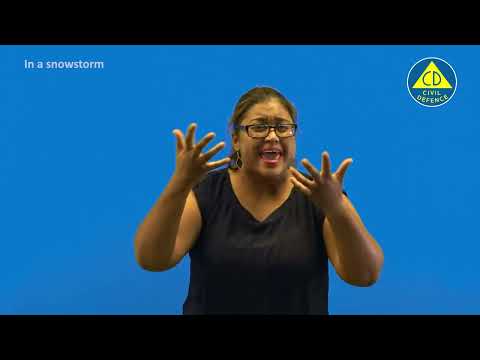
- Start with both hands open and fingers spread, palms facing towards you.
- Position your hands at chest level, with a small space between them.
- Move your hands slightly apart while keeping your fingers spread, as if you are showing something becoming less tight.
- Facial expression is key—use a relaxed expression to convey the sense of looseness.
Common Mistakes
- Forgetting to relax the facial expression, which can make the sign appear tense.
- Using a closed fist instead of open hands, which changes the meaning significantly.
- Not maintaining the appropriate distance between the hands, making the sign unclear.
NZSL vs ASL
In New Zealand Sign Language (NZSL), the sign for “loose” uses open hands and a specific movement to indicate looseness. In contrast, American Sign Language (ASL) may use different hand shapes and movements to convey similar meanings. Each sign language has its own unique vocabulary and structure, reflecting the cultural nuances of the communities they serve.
Related Signs
- (Be) Careful – Used to express caution.
- (Be) Passive – Indicates a state of being not active.
- (Baby’s) Dummy – Refers to a pacifier, often associated with loose items for babies.
Frequently Asked Questions
Can “loose” be used in different contexts?
Yes, “loose” can describe clothing, items, or even abstract ideas like plans that are not strict.
Are there regional variations for the sign “loose” in NZ?
While the sign is generally consistent, some regions may have slight variations in hand shapes or movements.
What are some similar signs to “loose”?
Signs like “tight” or “secure” are direct opposites and can help reinforce understanding of the concept.
Any tips for learning this sign?
Practice with a mirror to check your hand positions and facial expressions, and get feedback from a fluent signer.
How can I use “loose” in a sentence?
You could say, “My shirt is loose,” by signing the appropriate signs for “my,” “shirt,” and “loose.”
Is “loose” a common sign in everyday conversation?
Yes, it’s frequently used, especially in discussions about clothing or items that aren’t secured.
Practice This Sign
Try signing Loose with your camera and get AI coaching on your handshape, movement, and location.
Free · No signup required