
Lock (noun) in New Zealand Sign Language (NZSL)
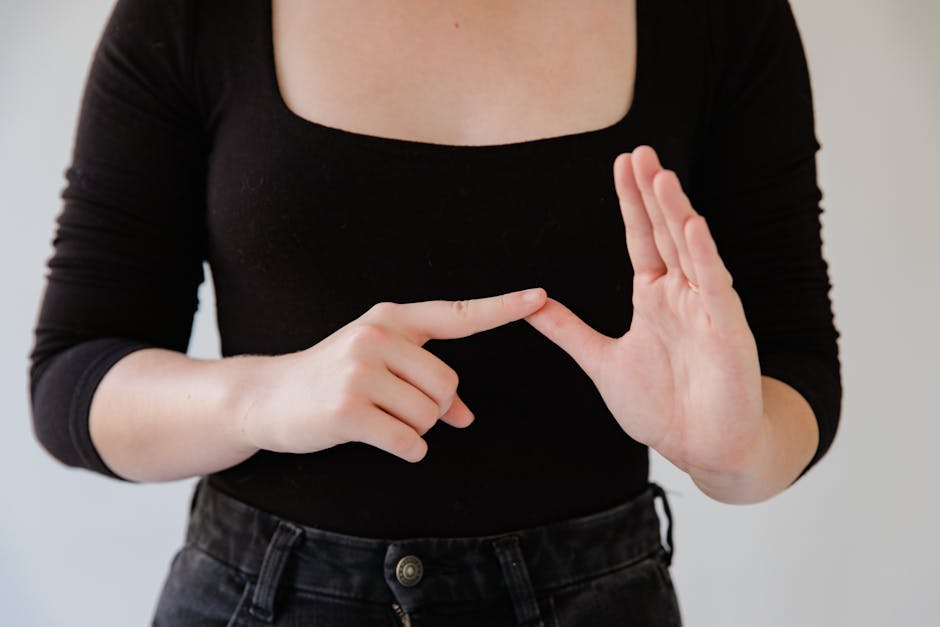
The sign “lockdownnoho rāhuinoun; verb” in NZSL is used to express the concept of being in a lockdown situation, often related to safety measures during emergencies or public health crises. It’s a sign that gained prominence during the recent global events and is commonly used in conversations about safety, health regulations, and community responses.
Table of Contents
How to Sign “Lockdownnoho RāHuinoun; Verb” in NZSL
- Start with both hands in a flat shape, palms facing down.
- Position your hands in front of your chest, about shoulder-width apart.
- Move your hands slightly towards each other while keeping them flat, as if enclosing a space.
- Maintain a serious facial expression to convey the gravity of the situation.
- Conclude by bringing your hands back to the starting position, emphasising the sense of containment.
Common Mistakes
- Using a fist instead of a flat hand shape, which can change the meaning of the sign.
- Not conveying enough seriousness with facial expressions, which is crucial in NZSL for conveying context.
- Moving hands too fast or erratically, which can confuse the meaning of the sign.
NZSL vs ASL
The sign for “lockdown” in NZSL differs from its counterpart in ASL. In ASL, the sign may involve a different handshape and movement, reflecting distinct regional expressions and cultural contexts. NZSL incorporates unique elements influenced by BSL, while also integrating aspects of te reo Māori.
Related Signs
- (Be) Careful – A sign used to warn someone or advise caution.
- (All Of) You – Refers to a group of people, often used in inclusive contexts.
- (Baby’S) Dummy – A common sign for a pacifier.
- (Be) Born, (Give) Birth – Used in discussions about childbirth and family.
- (Be) Passive – Describes a state of inaction or lack of response.
Frequently Asked Questions
How can I use “lockdownnoho rāhuinoun” in a sentence?
You might say, “During the lockdownnoho rāhuinoun, we stayed home to stay safe.” This helps demonstrate how the sign fits into everyday conversation.
Are there regional variations for this sign in New Zealand?
While the sign is generally consistent across New Zealand, some regions may have slight variations in handshape or movement. It’s always good to learn from local Deaf community members.
What are some similar signs to “lockdownnoho rāhuinoun”?
Signs related to safety or emergency situations, like “danger” or “help,” can be useful in conjunction with this sign.
What tips do you have for learning this sign?
Practice with a partner and focus on the facial expressions that accompany the sign. Watching native users can also greatly help.
Is “lockdownnoho rāhuinoun” used only in health contexts?
While commonly used in health contexts, it can also apply to any situation requiring containment or restrictions, such as emergencies.
Can I use this sign in a formal setting?
Yes, it’s appropriate for formal discussions, especially when addressing safety protocols or community regulations.
Practice This Sign
Try signing Lockdownnoho RāHuinoun; Verb with your camera and get AI coaching on your handshape, movement, and location.
Free · No signup required