
Lettercard, Envelope, Postcardretanoun in New Zealand Sign Language (NZSL)
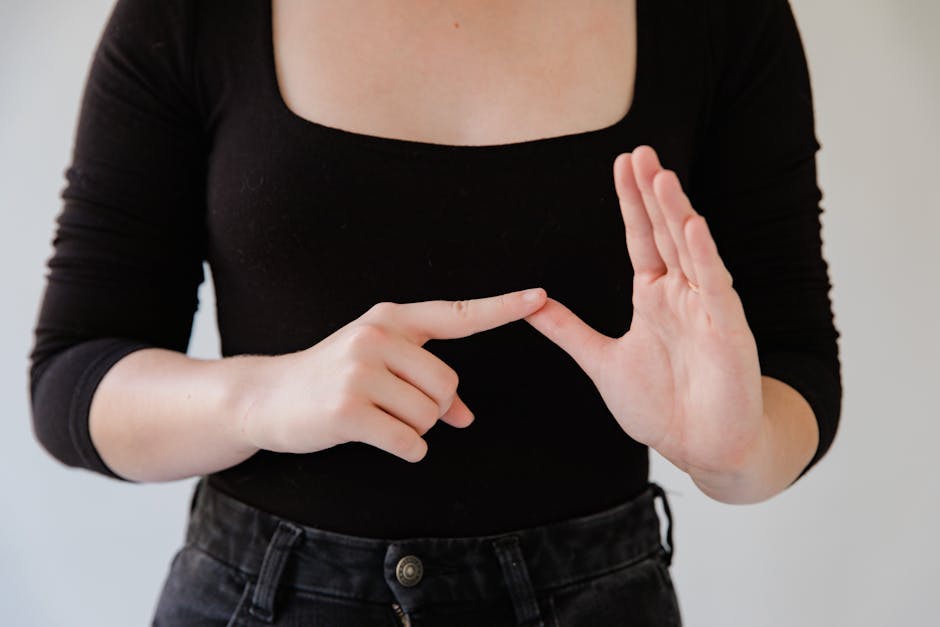
“Lettercard, envelope, postcardretanoun” pertains to items utilized for sending messages through the post. Within everyday conversations in the Deaf community, this term frequently arises, particularly in discussions about mail or communication. It serves as a practical representation of the significance of maintaining connections via written correspondence.
Table of Contents
How to Sign “Lettercard, Envelope, Postcardretanoun” in NZSL

- Start with your dominant hand in a flat ‘B’ handshape (fingers extended together, palm facing down).
- Begin by placing your flat hand at the side of your forehead, representing the idea of mail or a card.
- Move your hand forward in a small arc, as if you are sending or presenting the lettercard or envelope.
- While performing this motion, use a facial expression that indicates communication or sending, such as a slight smile or focused look.
- Finish the movement with your hand slightly in front of you, as if you are handing over the lettercard or postcard.
Common Mistakes
- Forgetting to use facial expressions, which are crucial in NZSL for conveying meaning.
- Using an incorrect handshape, such as a ‘C’ shape instead of the flat ‘B’ handshape.
- Rushing the movement, which can make the sign unclear or hard to understand.
NZSL vs ASL
In NZSL, the sign for “lettercard, envelope, postcardretanoun” emphasizes the act of sending or receiving mail, often incorporating facial expressions to enhance meaning. In contrast, ASL uses a different handshape and movement, focusing more on the item itself rather than the sending action.
Related Signs
- (All Of) You – A sign used to refer to a group of people.
- (Baby’S) Dummy – A sign for a pacifier used for infants.
- (Be) Careful – A sign indicating the need to exercise caution.
Frequently Asked Questions
Can I use this sign in sentences?
Yes, you can use this sign in various contexts, such as “I received a postcard” or “Send me a lettercard.”
Are there regional variations in this sign across New Zealand?
While the sign remains largely consistent, some regional dialects may have slight variations in handshape or movement.
What are some similar signs?
Signs like “letter” or “send” can be related depending on the context of conversation.
What tips do you have for learning this sign?
Practice slowly in front of a mirror and focus on your facial expressions to enhance communication.
Is this sign used in formal contexts?
Yes, it can be used in both formal and informal settings when discussing mail and communication.
Practice This Sign
Try signing Lettercard, Envelope, Postcardretanoun with your camera and get AI coaching on your handshape, movement, and location.
Free · No signup required