
Lead, Leader, Guide, Head (Māori: showārahi, kaiārahi) in New Zealand Sign Language (NZSL)
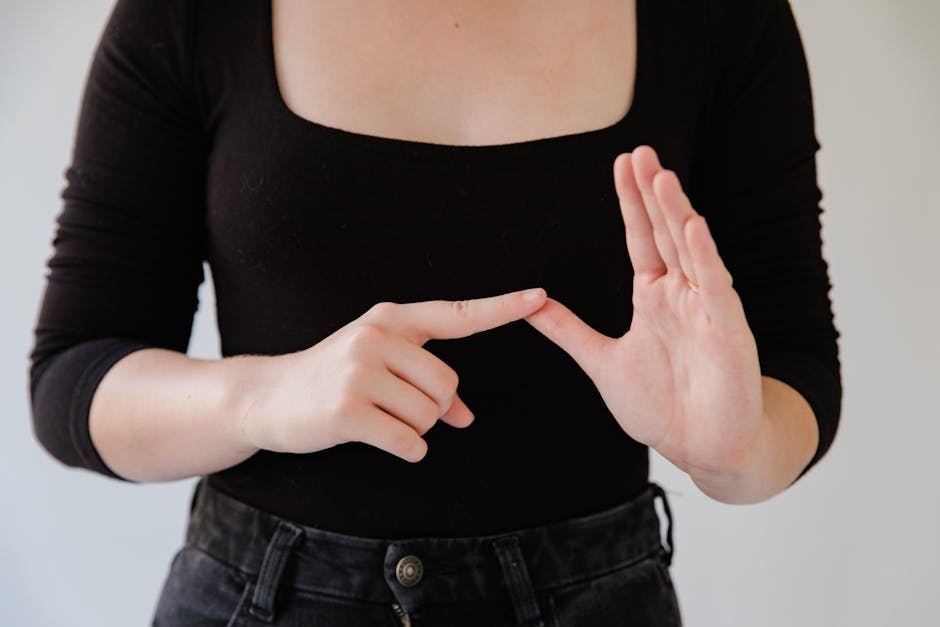
The NZSL sign for “lead, leader, guide, head” is used in various contexts within the NZ Deaf community, often associated with leadership roles or guiding someone through a process. This sign reflects the importance of direction and support in both personal and professional settings.
Table of Contents
How to Sign “Lead, Leaderchief, Guide, Head, ShowāRahi, KaiāRahinoun; Verb” in NZSL
- Start with your dominant hand in a flat shape (like a ‘B’ handshape) with fingers together.
- Position your hand at the side of your forehead, palm facing forward.
- Move your hand slightly forward and away from your head, as if you are guiding someone ahead of you.
- Maintain a confident facial expression to convey leadership and guidance.
Common Mistakes
- Not moving the hand away from the forehead sufficiently, which can make the sign unclear.
- Using the wrong handshape; ensure your fingers are together and flat.
- Forgetting to incorporate facial expressions, which are crucial in conveying meaning in NZSL.
NZSL vs ASL
In NZSL, the sign for “lead” involves a specific movement away from the forehead, emphasizing guidance. In contrast, ASL uses a different handshape and movement, which may not convey the same intent of leadership. This highlights the unique characteristics of NZSL as influenced by its cultural context and local signs.
Related Signs
- (All Of) You – Referring to a group of people.
- (Be) Careful – A sign for caution and awareness.
- (Be) Born, (Give) Birth – Related to beginnings and leadership in family contexts.
Frequently Asked Questions
How can I use this sign in a sentence?
You might say, “I will lead the group,” using the sign for “lead” to illustrate your role.
Are there regional variations of this sign in New Zealand?
While the sign is generally consistent, some regional variations may exist, particularly in small communities. Observing local signers can help you adapt.
What are similar signs to “lead”?
Signs like “guide” or “direct” share similar movements but may vary slightly in handshape or positioning.
Any tips for learning this sign?
Practice in front of a mirror to ensure your handshape and movement are clear, and pay attention to your facial expressions.
Can I use this sign in a formal setting?
Yes, the sign is appropriate in both formal and informal contexts, especially when discussing leadership or guidance.
How does this sign relate to te reo Māori?
In te reo Māori, leadership is often associated with concepts of guidance and support, similar to the meaning conveyed by this sign.
Practice This Sign
Try signing Lead, Leaderchief, Guide, Head, ShowāRahi, KaiāRahinoun; Verb with your camera and get AI coaching on your handshape, movement, and location.
Free · No signup required