
Items in New Zealand Sign Language (NZSL)
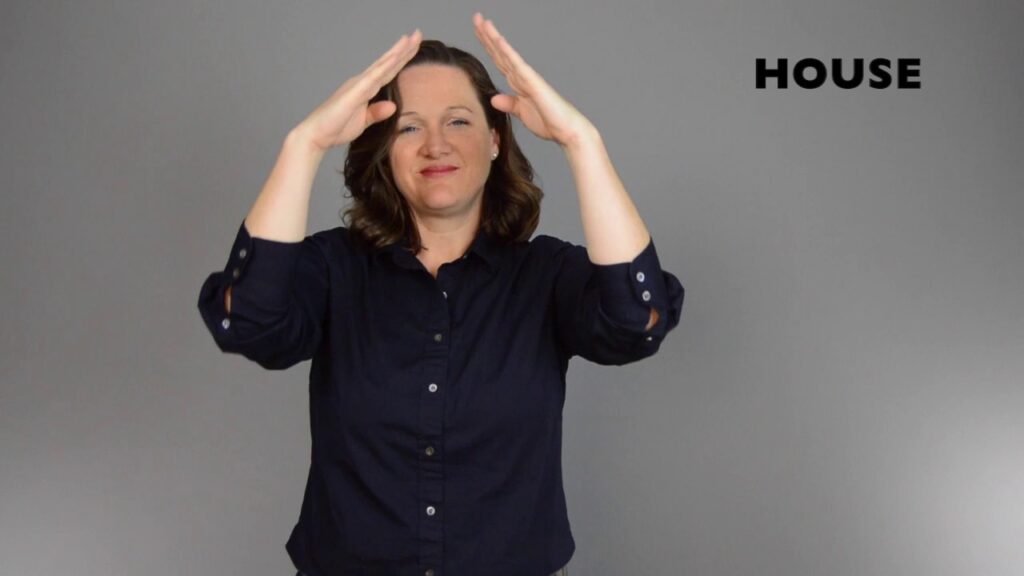
The sign for “items” in NZSL refers to various objects or things. It is commonly used in everyday conversations among the Deaf community to specify or discuss different items, whether in a shopping context, describing belongings, or during storytelling. This sign reflects the rich visual nature of NZSL and its unique cultural context.
Table of Contents
How to Sign “Items” in NZSL
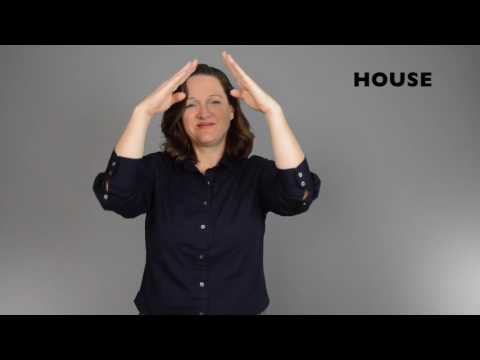
- Start with both hands in a flat ‘B’ handshape (palm facing down).
- Position your hands at chest height, about shoulder-width apart.
- Move your hands outward simultaneously, away from your body, as if presenting multiple items.
- Maintain a neutral facial expression, or use a slight smile to convey friendliness.
Common Mistakes
- Using a fist instead of a flat ‘B’ handshape, which can change the meaning.
- Moving the hands too quickly or not far enough apart, making the sign less clear.
- Neglecting facial expressions, which are essential in NZSL for conveying tone and intent.
NZSL vs ASL
In NZSL, the sign for “items” uses a flat handshape and a specific outward movement, while in American Sign Language (ASL), a different handshape and motion are employed. This illustrates how NZSL has developed its own unique signs influenced by British Sign Language (BSL) and local contexts, including te reo Māori.
Related Signs
- (All Of) You – A sign used to indicate a group of people.
- (Baby’s) Dummy – Refers to a pacifier for infants.
- (Be) Careful – A sign to express caution.
- (Be) Passive – Indicates a state of being passive.
Frequently Asked Questions
How can I use “items” in a sentence?
You can say, “I have many items to show you,” using the sign for “items” to highlight the objects you’re discussing.
Are there regional variations of this sign in New Zealand?
While the sign for “items” is generally consistent, some regions may have slight variations in hand movements or facial expressions.
What other signs are similar to “items”?
Signs like “things” or “objects” may be used interchangeably depending on context, but “items” specifically refers to distinct objects.
What should I focus on when learning this sign?
Pay attention to the handshape and the movement, as well as incorporating appropriate facial expressions to convey the correct meaning.
Can I use “items” in a formal setting?
Yes, “items” is a versatile sign suitable for both casual and formal discussions, including presentations or meetings.
Is this sign influenced by Māori culture?
While “items” itself may not be directly influenced, NZSL incorporates many signs that reflect Māori culture, and it’s important to be culturally aware.
Practice This Sign
Try signing Items with your camera and get AI coaching on your handshape, movement, and location.
Free · No signup required