
Irelandirishairangi, Aeraniadjective; Noun in New Zealand Sign Language (NZSL)
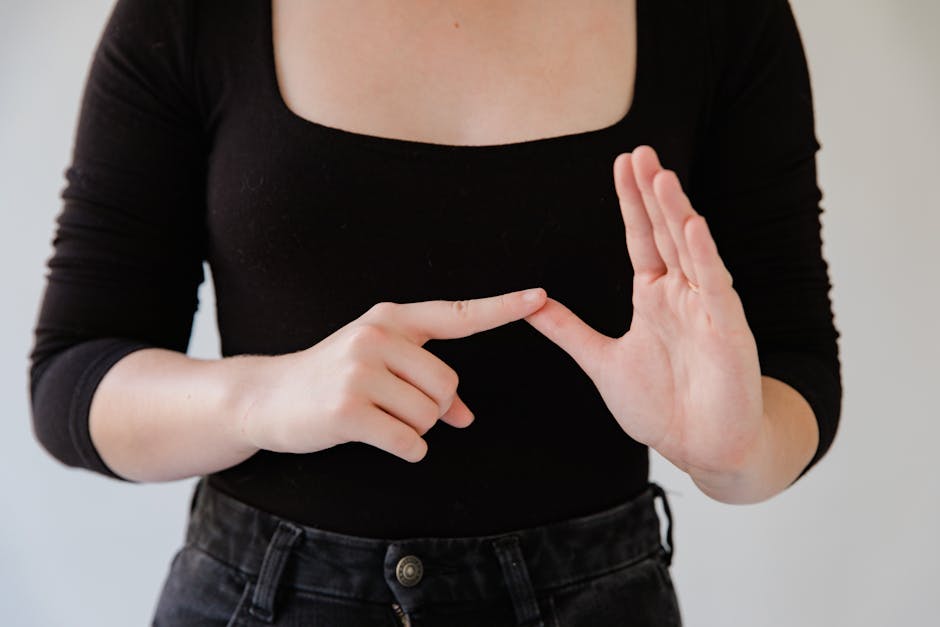
The sign “irelandirishairangi, aeraniadjective; noun” is used in the New Zealand Deaf community to refer to anything related to Ireland or Irish culture. It captures a sense of identity and cultural pride, often used in discussions about nationality, heritage, or when talking about experiences related to Ireland.
Table of Contents
How to Sign “Irelandirishairangi, Aeraniadjective; Noun” in NZSL
- Start with your dominant hand in a flat ‘B’ shape (palm facing down).
- Position your hand near your chin, with your fingers pointing towards your body.
- Move your hand slightly forward and then down, while maintaining the ‘B’ shape.
- As you move your hand, incorporate a facial expression that reflects pride or enthusiasm.
- Finish by bringing your hand back to the starting position to signify the end of the sign.
Common Mistakes
- Forgetting to use the correct hand shape can lead to confusion; ensure your hand is in the ‘B’ shape.
- Not incorporating facial expressions can make the sign feel flat; remember to express pride or enthusiasm.
- Moving the hand too far away from the body can alter the meaning; keep the motion close and controlled.
NZSL vs ASL
In NZSL, the sign for “Ireland” incorporates unique hand shapes and movements distinct from American Sign Language (ASL). While ASL may have a different sign entirely, NZSL’s connection to New Zealand’s cultural identity and influences from British Sign Language (BSL) make it unique.
Related Signs
- (All Of) You: A sign used to address a group collectively.
- (Baby’s) Dummy: Refers to a pacifier, commonly used among parents.
- (Be) Born, (Give) Birth: Used when discussing childbirth and family.
- (Be) Careful: A sign conveying caution or being mindful.
- (Be) Passive: Used to describe a state of being or attitude.
Frequently Asked Questions
How can I use “irelandirishairangi” in a sentence?
You can use it in a sentence like: “I am proud of my irelandirishairangi heritage.”
Are there regional variations for this sign across New Zealand?
While this sign is generally consistent, some regional variations may exist, particularly in hand movement or facial expression.
What are some similar signs?
Similar signs include those for other nationalities or cultural identities, like “English” or “Maori,” which also reflect pride in heritage.
What tips do you have for learning this sign?
Practice in front of a mirror and focus on your facial expressions to convey the right emotion.
Is this sign commonly used in conversations?
Yes, it’s often used in discussions about cultural events, travel, or identity.
Can I use this sign when discussing Irish culture?
Absolutely! It is perfect for conversations about Irish music, food, or festivals.
How does this sign reflect New Zealand’s Deaf culture?
This sign embodies the blending of cultural identities within the New Zealand Deaf community, showcasing its rich diversity.
Practice This Sign
Try signing Irelandirishairangi, Aeraniadjective; Noun with your camera and get AI coaching on your handshape, movement, and location.
Free · No signup required