
History in New Zealand Sign Language (NZSL)
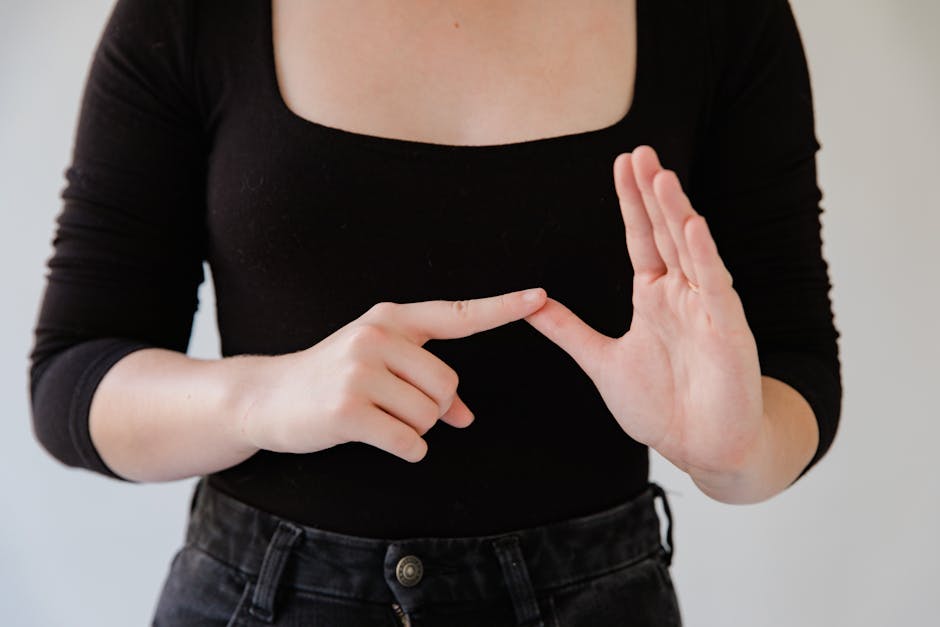
The sign “history” in NZSL encompasses concepts related to the past, storytelling, and lineage, often used in discussions about cultural heritage, personal stories, and significant events. This sign is especially relevant in the Deaf community when discussing the history and experiences of Deaf people in New Zealand.
Table of Contents
How to Sign “History in The Past kōrero o mua, kōrero nehe, hītori, whakapapaadverb; noun” in NZSL
- Start with your dominant hand in a flat shape (like the letter “B”) and place it in front of your chest.
- Move your hand slightly forward and then arc it gently back towards your shoulder, maintaining the flat shape.
- As you move your hand, incorporate an expressive facial expression that reflects the significance of the past.
Common Mistakes
- Forgetting to use facial expressions, which are essential for conveying the meaning and context in NZSL.
- Using rigid hand shapes instead of the relaxed flat hand shape, which can alter the meaning of the sign.
- Neglecting to maintain proper spatial awareness, leading to unclear signing or miscommunication.
NZSL vs ASL
In ASL, the sign for “history” may use a different handshape and movement pattern. While NZSL often incorporates Māori influences and regional variations, ASL has its own distinct signs and structure. This highlights the unique aspects of NZSL as an official language in New Zealand, reflecting both Deaf culture and local heritage.
Related Signs
- kōrero – to talk or speak, often used in the context of storytelling.
- whakapapa – genealogy, reflecting the connections through ancestors.
- past – referring to something that has already happened.
- culture – encompassing traditions, customs, and social practices.
Frequently Asked Questions
How can I use “history” in a sentence in NZSL?
You can sign “history” followed by the topic you want to discuss, for example, “history” + “Deaf culture.” This helps contextualize the sign.
Are there regional variations for this sign across New Zealand?
Yes, some regions may have slight variations in hand shape or movement, so it’s helpful to learn from local Deaf community members.
What are some similar signs to “history”?
Similar signs include “kōrero” for storytelling and “whakapapa” for genealogy, both relating to past narratives.
What tips do you have for learning this sign?
Practice in front of a mirror to check your handshape and movement. Also, watch native signers to observe facial expressions.
Is “history” used in both formal and informal contexts?
Yes, it can be used in both contexts, whether discussing historical events or sharing personal stories.
How important are facial expressions when signing “history”?
Facial expressions are crucial as they add emotional context and clarity to the sign, enhancing communication.
Practice This Sign
Try signing Historyin The PastkōRero O Mua, KōRero Nehe, HīTori, Whakapapaadverb; Noun with your camera and get AI coaching on your handshape, movement, and location.
Free · No signup required