
High, Tall in New Zealand Sign Language (NZSL)
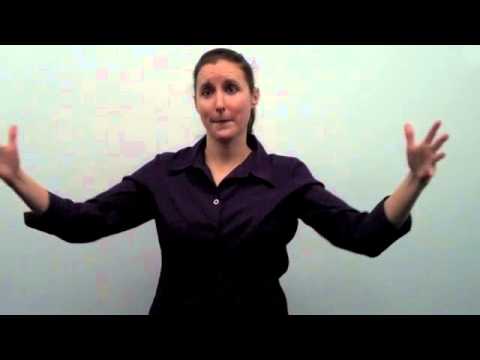
The sign for “high” or “tall” in NZSL is used to describe objects, people, or places that are elevated or have a significant height. You might use this sign when discussing buildings, trees, or even a tall person. It’s a common sign in everyday conversation within the New Zealand Deaf community.
Table of Contents
How to Sign “High, Tall” in NZSL
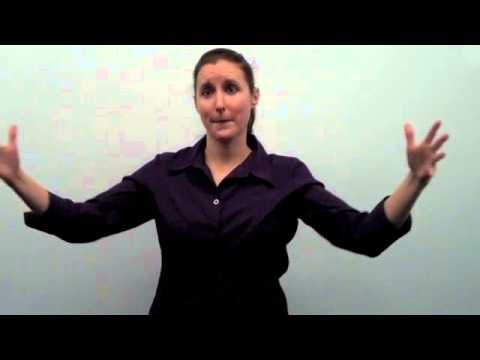
- Start with your dominant hand in a flat handshape (like a “B” handshape) with fingers together.
- Position your hand at about waist level in front of your body.
- Move your hand upward in a smooth motion, raising it to a height that feels appropriate for what you’re describing.
- As you raise your hand, maintain a neutral or slightly raised eyebrow expression to indicate the concept of height.
Common Mistakes
- Forgetting to use a facial expression, which can lead to a misunderstanding of the sign’s meaning.
- Not raising the hand high enough, which might convey a different meaning or confuse the listener.
- Using an incorrect handshape; ensure you use a flat handshape for clarity.
NZSL vs ASL
In NZSL, the sign for “high” or “tall” involves a clear upward motion from a lower position, using a flat handshape. In contrast, ASL uses a different handshape and movement. This highlights the unique aspects of NZSL as it has developed its own signs influenced by local culture and language.
Related Signs
- Tall – Specifically used for describing height in more detail.
- High – A more general term that can also mean elevated.
- Short – The opposite of tall, useful for comparative descriptions.
- Below – To describe something at a lower height.
Frequently Asked Questions
Can I use this sign in a sentence?
Yes! For example, you might say, “That building is tall” by incorporating the sign for “tall” along with the signs for “that” and “building.”
Are there regional variations for this sign?
While the sign is generally consistent across New Zealand, some local communities may have slight variations in movement or facial expressions.
What is a similar sign?
The sign for “tall” is quite similar, often just a slight change in hand shape or emphasis in movement. Both convey height but can be used in different contexts.
Do I need to use facial expressions?
Yes, facial expressions are important in NZSL. They help convey the meaning and intensity of the sign.
Any tips for learning this sign?
Practice in front of a mirror to see your handshape and movement. Watching native signers can also help you understand the nuances of the sign.
Can I use this sign for people?
Absolutely! You can use the sign to describe the height of a person, just remember to adjust your hand’s height accordingly.
Practice This Sign
Try signing High, Tall with your camera and get AI coaching on your handshape, movement, and location.
Free · No signup required