
High Heels (Shoe) in New Zealand Sign Language (NZSL)
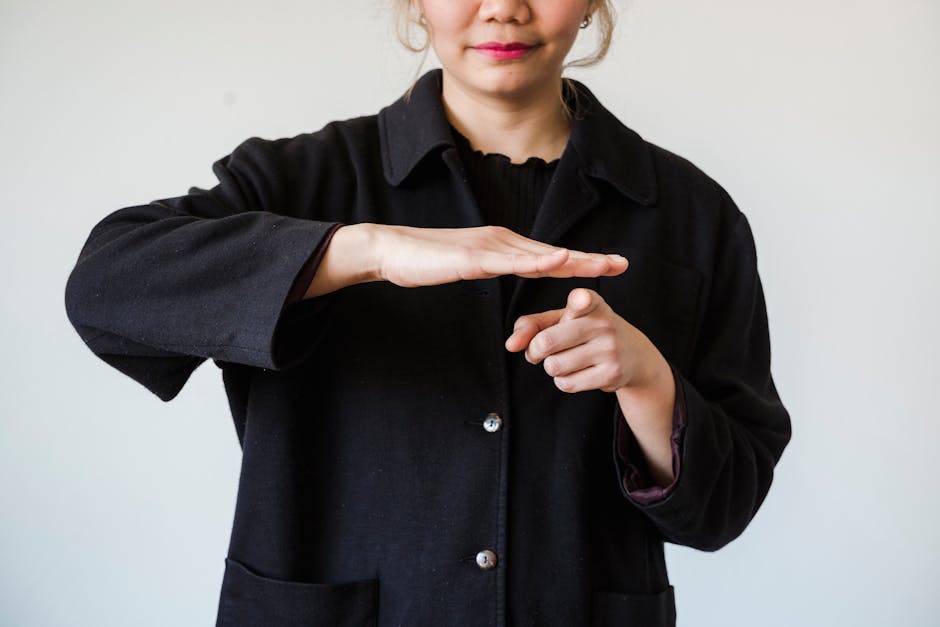
The sign for “high heels (shoe) pointe (ballet) hū rekereke” represents a specific type of footwear often associated with formal occasions and ballet dancing. This sign is used in various contexts within the New Zealand Deaf community, particularly when discussing fashion, dance, or occasions where high heels are worn.
Table of Contents
How to Sign “High Heels (Shoe)Pointe (Ballet)Hū Rekerekenoun” in NZSL
- Start with your dominant hand in a flat handshape (like a ‘B’ handshape) and place it in front of your body, palm facing down.
- With your non-dominant hand, create a fist and place it below your dominant hand, simulating the shape of a high heel.
- Move your dominant hand upwards slightly while keeping your non-dominant hand steady to emphasize the height of the heel.
- Facial expressions should reflect excitement or elegance, matching the context of high heels being worn for special occasions or ballet performances.
Common Mistakes
- Forgetting to emphasize the height of the heel, making the sign less recognizable.
- Using a flat handshape instead of a ‘B’ handshape for the dominant hand.
- Not incorporating appropriate facial expressions, which can lead to a lack of context in the sign.
NZSL vs ASL
In NZSL, the sign for “high heels” involves a specific hand movement that emphasizes the heel’s height, while in ASL, the sign may differ in handshape and movement. NZSL incorporates unique features influenced by its local culture and the influence of British Sign Language (BSL).
Related Signs
- Shoe – The general sign for footwear.
- Ballet – The sign for the dance form.
- Dance – A sign for any form of dancing.
- Fashion – The sign related to clothing and style.
- Occasion – The sign used for special events.
Frequently Asked Questions
How can I use this sign in a sentence?
You can say, “I love wearing high heels for special occasions,” by signing “I love high heels occasion.”
Are there any regional variations for this sign in New Zealand?
While the sign is widely used, some regions may have slight variations in movement or handshape.
What is a similar sign to “high heels”?
The sign for “shoe” is related but does not emphasize the heel height.
What are some tips for learning this sign?
Practice in front of a mirror to check your handshape and movement, and try to mimic the appropriate facial expressions.
Can I use this sign for other types of shoes?
This sign specifically refers to high heels; for other types of shoes, use the general sign for “shoe.”
Is this sign used in formal contexts?
Yes, it is commonly used when discussing fashion, events, or ballet, where high heels are relevant.
What resources can I use to learn more NZSL?
Consider using online dictionaries, local classes, and engaging with the Deaf community to enhance your learning.
Practice This Sign
Try signing High Heels (Shoe)Pointe (Ballet)Hū Rekerekenoun with your camera and get AI coaching on your handshape, movement, and location.
Free · No signup required