
Hierarchy (noun) in New Zealand Sign Language (NZSL)
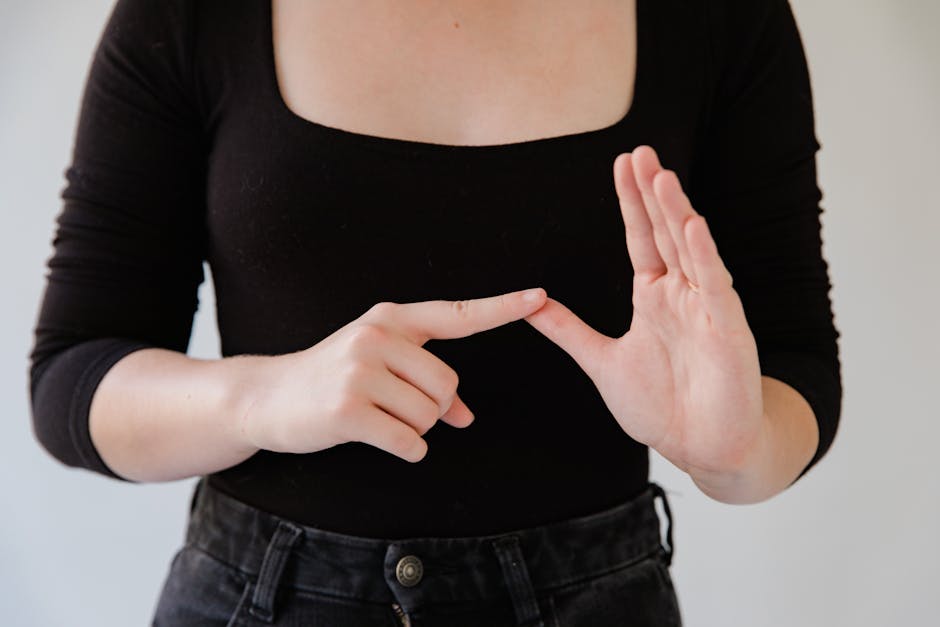
The sign for “hierarchygenerations, order, rankingtāTainganoun” is used in the New Zealand Deaf community to describe social structures, family lineage, or any ordered system where elements are ranked. This sign reflects the importance of understanding relationships and status within various contexts, from family to professional settings.
Table of Contents
How to Sign “Hierarchygenerations, Order, RankingtāTainganoun” in NZSL
- Start with your dominant hand in a flat ‘B‘ handshape (palm facing down).
- Position your hand at about shoulder height, in front of your body.
- Move your hand slightly forward and then upward in a zigzag motion, indicating progression or ranking.
- As you move your hand, maintain a neutral facial expression, or you can slightly raise your eyebrows to indicate the idea of ranking.
- Finish with your hand back in the original position to signify the completion of the concept.
Common Mistakes
- Forgetting to use the correct handshape; using a fist instead of the flat ‘B‘ handshape.
- Not incorporating movement, which can make the sign less clear or meaningful.
- Using an overly expressive facial expression, which can distract from the sign itself.
NZSL vs ASL
In NZSL, the sign for “hierarchygenerations, order, rankingtāTainganoun” emphasizes movement and handshape to convey the concept of ranking. In contrast, ASL may use different handshapes and a more static movement to express a similar idea. Familiarity with these differences is essential for effective communication in both languages.
Related Signs
- (All Of) You – A sign used to refer to a group of people.
- (Be) Born, (Give) Birth – Discussing generational aspects in families.
- (Be) Careful – Often used in contexts where hierarchy or caution is needed.
Frequently Asked Questions
How can I use this sign in a sentence?
You can use this sign in a sentence like: “In my family, we have a clear hierarchy,” which would involve combining the sign with others for clarity.
Are there any regional variations for this sign in New Zealand?
While the core sign remains the same, some regions may have slight variations in how the movement is performed.
What are some similar signs in NZSL?
Similar signs include those that relate to family or order, such as the signs for family members or ranking in a group setting.
What tips do you have for learning this sign?
Practice in front of a mirror to ensure your handshape and movements are correct and clear. Watching native signers can also help.
Is this sign used in formal contexts?
Yes, this sign can be used in both formal and informal contexts, especially when discussing social structures or family lineage.
How does this sign relate to te reo Māori?
This sign reflects the cultural importance of hierarchy and lineage in Māori culture, showcasing the interconnectedness of language and cultural identity.
Practice This Sign
Try signing Hierarchygenerations, Order, RankingtāTainganoun with your camera and get AI coaching on your handshape, movement, and location.
Free · No signup required