
Flagonjaripunoun in New Zealand Sign Language (NZSL)
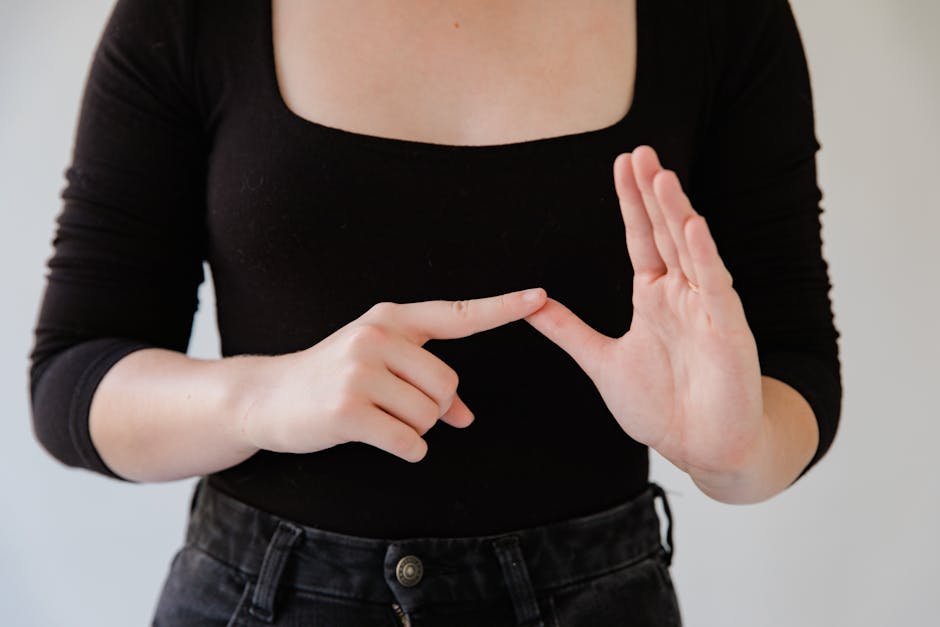
The sign “flagonjaripunoun” in NZSL refers to a specific pronoun used within the context of conversation, emphasizing inclusivity and community in the Deaf culture. This sign is commonly used when discussing identity, belonging, and collective experiences among individuals.
Table of Contents
How to Sign “Flagonjaripunoun” in NZSL
- Start with your dominant hand in the shape of a flat ‘O’ (the fingers are together and the thumb wraps around to touch the palm).
- Position your hand near your chest, at about shoulder height.
- Move your hand forward slightly while maintaining the ‘O’ shape, as if you are reaching out to include others.
- While signing, keep a warm and inviting facial expression to convey the sense of community and togetherness.
Common Mistakes
- Using a fist instead of the flat ‘O’ handshape can change the meaning of the sign.
- Failing to maintain eye contact and facial expressions may make the sign less engaging.
- Not moving the hand forward enough can make the sign feel incomplete.
NZSL vs ASL
In NZSL, “flagonjaripunoun” has a unique handshape and movement that reflects its cultural significance, while in ASL, the equivalent sign may differ in both handshape and context. Understanding these differences is key to effective communication across sign languages.
Related Signs
- (All Of) You – A sign used to address a group inclusively.
- (All Of) Youyou Allkoutou (Katoa)Pronoun – Another inclusive pronoun sign with a different emphasis.
- (Baby’S) Dummy – A sign relevant to parenting and caregiving contexts.
- (Be) Careful – A sign conveying caution and mindfulness.
- (Be) Passive – A sign related to state or condition.
Frequently Asked Questions
How can I use “flagonjaripunoun” in a sentence?
You might say, “Flagonjaripunoun is important in our community,” emphasizing the sense of belonging.
Are there regional variations of this sign in New Zealand?
While the sign is generally consistent, some regions may have slight variations in movement or facial expression based on local Deaf community preferences.
What are some similar signs to “flagonjaripunoun”?
Similar signs include those that express inclusivity and community, such as (All Of) You.
What tips do you have for learning this sign?
Practice in front of a mirror to check your handshape and facial expressions, and seek feedback from fluent NZSL users.
Can “flagonjaripunoun” be used in formal settings?
Yes, it can be used in both casual and formal discussions, especially when discussing group identity.
What should I focus on while signing “flagonjaripunoun”?
Pay attention to your handshape, movement, and facial expressions to ensure clarity and engagement.
Practice This Sign
Try signing Flagonjaripunoun with your camera and get AI coaching on your handshape, movement, and location.
Free · No signup required