
Flag (Māori: haki) in New Zealand Sign Language (NZSL)
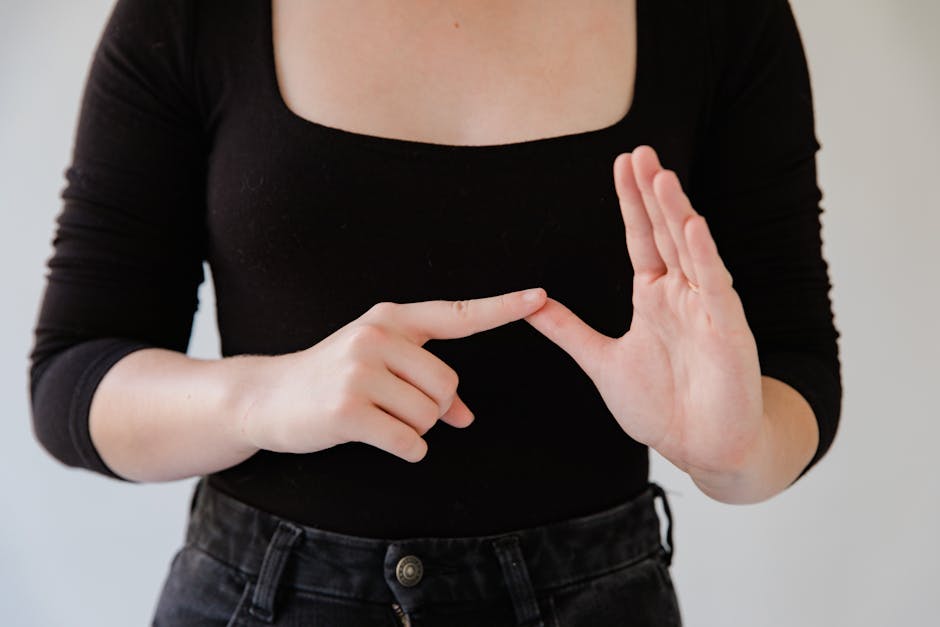
The sign “flaghakinoun” in NZSL refers to the concept of a flag, often used in contexts like celebrations, events, or national pride. Members of the Deaf community might use this sign during discussions about cultural events, national holidays, or when showing support for a cause.
Table of Contents
How to Sign “Flaghakinoun” in NZSL
- Start with your dominant hand in a flat handshape (like a “B” handshape) with fingers extended and together.
- Position your hand at about shoulder height, palm facing down.
- Move your hand slightly up and down, simulating the fluttering motion of a flag in the wind.
- Maintain a cheerful facial expression to convey the positive association with flags.
Common Mistakes
- Some learners may forget to use the fluttering movement, making the sign appear static.
- Not maintaining the flat handshape can lead to confusion with similar signs.
- Using a serious facial expression instead of a cheerful one can affect the meaning conveyed.
NZSL vs ASL
While NZSL and ASL both have signs for “flag,” the hand shapes and movements differ. In NZSL, the fluttering motion is emphasized, while ASL may use a more static representation. This highlights the unique aspects of NZSL influenced by local culture and context.
Related Signs
- (All Of) You – A sign often used to refer to a group of people.
- (Baby’S) Dummy – Refers to a pacifier used for babies.
- (Be) Careful – A sign used to caution someone.
Frequently Asked Questions
How can I use “flaghakinoun” in a sentence?
You might say, “I saw a flaghakinoun at the festival,” using the sign for “flag” to describe an event.
Are there regional variations for this sign across New Zealand?
While “flaghakinoun” is generally consistent, some regional variations may exist, with differences in hand movement or facial expressions.
What are some signs similar to “flaghakinoun”?
Related signs include “banner” and “sign,” which can also be used in similar contexts but have distinct meanings.
What tips can help me learn this sign more effectively?
Practice in front of a mirror to check your handshape and movement. Watching videos of native signers can also help you grasp the nuances.
Can I use “flaghakinoun” in different contexts?
Yes! It can be used in celebrations, discussions about country representation, or even in sports contexts.
Is “flaghakinoun” influenced by other sign languages?
NZSL has influences from BSL and incorporates unique signs, making it distinct from other sign languages like ASL.
Practice This Sign
Try signing Flaghakinoun with your camera and get AI coaching on your handshape, movement, and location.
Free · No signup required