
Evening, Dusk in New Zealand Sign Language (NZSL)
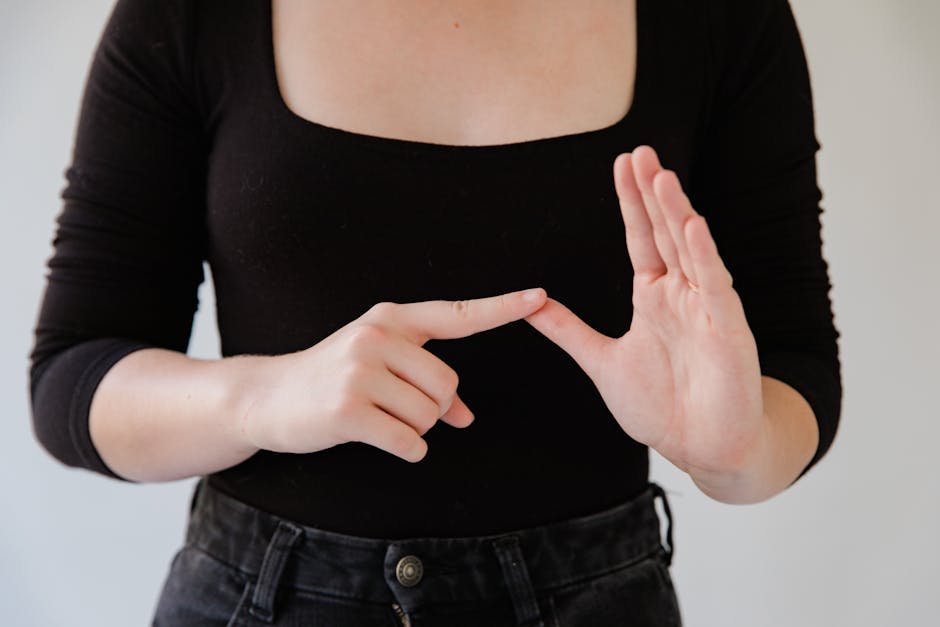
The sign “eveningduskahiahinoun” represents the time of day when the sun sets and the sky darkens, often associated with relaxation and winding down after a busy day. In the NZ Deaf community, this sign is used in conversations about daily routines, social gatherings, or any activities that happen during the evening.
Table of Contents
How to Sign “Eveningduskahiahinoun” in NZSL
- Begin with both hands in a flat ‘B‘ shape, palms facing downward.
- Position your hands in front of your body at chest height.
- Slowly move your hands outward and downward in a gentle arc, simulating the setting sun.
- As you do this, tilt your head slightly downward and relax your facial expression to convey the calmness of evening.
- Hold the final position for a moment to emphasize the transition into dusk.
Common Mistakes
- Using a tight or tense handshape instead of the relaxed ‘B‘ shape, which can make the sign look stiff.
- Rushing through the sign without the smooth, flowing movement that represents the gradual onset of evening.
- Forgetting to adjust facial expressions, which are essential for conveying the meaning and emotion behind the sign.
NZSL vs ASL
In NZSL, “eveningduskahiahinoun” focuses on the visual representation of the sun setting. In contrast, ASL uses a different handshape and movement that may not directly mimic the action of dusk. This highlights how NZSL incorporates unique local expressions and gestures influenced by the cultural context of New Zealand.
Related Signs
- (Be) Careful – A sign to express caution.
- (All Of) You – Used for addressing a group.
- (Baby’s) Dummy – Refers to a baby’s pacifier.
- (Be) Born, (Give) Birth – Related to the concept of beginnings and endings.
Frequently Asked Questions
How do I use “eveningduskahiahinoun” in a sentence?
You might say, “Let’s meet in the eveningduskahiahinoun for dinner,” using the sign to specify the time.
Are there any regional variations for this sign in NZ?
While “eveningduskahiahinoun” is widely understood, some regions may have slight variations in hand movement or expression, influenced by local signing communities.
What are some similar signs to “eveningduskahiahinoun”?
Related signs include “night” and “sunset,” which also convey aspects of time and natural phenomena.
What tips can you give for learning this sign?
Practice in front of a mirror to ensure your hand movements are smooth and your facial expressions match the intended meaning.
How can I incorporate this sign into storytelling?
When telling a story, use the sign to set the scene for evening events or activities, helping to create a vivid picture in the minds of your audience.
Is this sign commonly used in formal settings?
Yes, it can be used in both casual and formal settings, such as at meetings or community gatherings, to discuss evening events.
Practice This Sign
Try signing Eveningduskahiahinoun with your camera and get AI coaching on your handshape, movement, and location.
Free · No signup required