
Empty (place) in New Zealand Sign Language (NZSL)
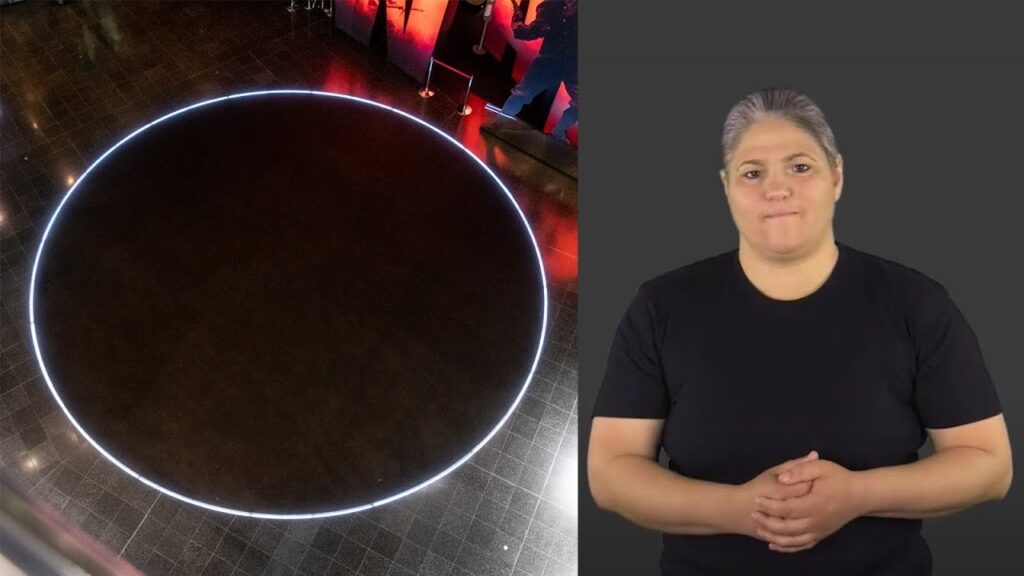
The sign for “empty (place)” in NZSL refers to a location that is devoid of content, people, or objects. It’s commonly used in everyday conversations within the Deaf community when describing spaces, such as a room, a container, or an area that lacks items or inhabitants.
Table of Contents
How to Sign “Empty (Place)” in NZSL
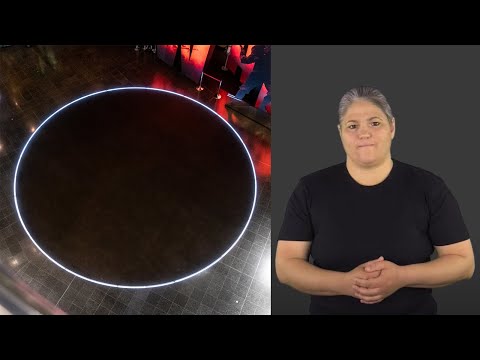
- Start with both hands in front of your body, palms facing up. Your fingers should be slightly curved, resembling an open container.
- Move your hands apart slowly while maintaining the open palm position, as if you are indicating the space is wide but lacks substance.
- As you move your hands, use a facial expression that conveys emptiness, such as raising your eyebrows slightly and opening your eyes wider.
Common Mistakes
- Forgetting to use the open palm shape, which can lead to confusion with other signs.
- Moving the hands too fast, which can make the sign less clear.
- Neglecting facial expressions, which are crucial in NZSL for conveying the intended meaning.
NZSL vs ASL
In NZSL, the sign for “empty (place)” is unique and differs from ASL, where a different sign may be used. While both languages share some similarities due to historical influences, each has developed distinct signs that reflect the culture and context of their respective communities.
Related Signs
- (All Of) You – A sign used to refer to a group of people.
- (Baby’s) Dummy – A common sign for a pacifier.
- (Be) Careful – A sign indicating caution or carefulness.
Frequently Asked Questions
How do I use “empty (place)” in a sentence?
You might say, “The room is empty,” by signing the location followed by the sign for “empty (place).” This gives context to your message.
Are there regional variations for this sign across New Zealand?
While the sign is generally consistent, some regional variations may exist. It’s good to observe and adapt to local usage.
What are some similar signs in NZSL?
Signs like “full” or “crowded” are related and can be used in contrast to “empty (place)” to describe spaces.
What tips can help me learn this sign more effectively?
Practice in front of a mirror and observe native signers to improve your hand shape and facial expressions.
Can I use this sign in formal settings?
Yes, “empty (place)” is appropriate in both casual and formal conversations when describing locations.
How can I improve my facial expressions in signing?
Watch videos of fluent NZSL users, and practice mimicking their expressions to convey meaning more effectively.
Practice This Sign
Try signing Empty (Place) with your camera and get AI coaching on your handshape, movement, and location.
Free · No signup required