
Draughts in New Zealand Sign Language (NZSL)
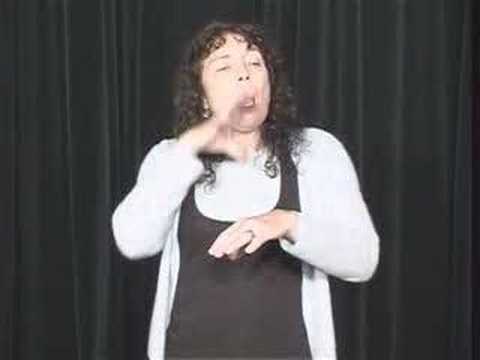
The sign for “draughts” in NZSL refers to the popular board game, also known as checkers in some regions. This sign is commonly used in casual conversations among the Deaf community when discussing games, leisure activities, or family time. It highlights the enjoyment of playing draughts, a game that many Deaf individuals appreciate as a fun social activity.
Table of Contents
How to Sign “Draughts” in NZSL
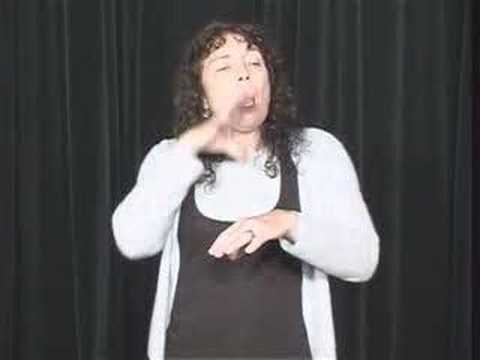
- Start with both hands in a flat ‘B‘ handshape, palms facing down.
- Position your hands about shoulder-width apart, in front of your body.
- Move your hands slightly apart while maintaining the ‘B‘ handshape. This signifies the movement of the draughts pieces on the board.
- Facial expression should be friendly and engaged, reflecting the enjoyment of the game.
Common Mistakes
- Using a closed fist instead of the flat ‘B‘ handshape, which changes the meaning of the sign.
- Not maintaining the correct distance between the hands; they should be shoulder-width apart and move together.
- Forgetting to use facial expressions, which are important in NZSL to convey the context and emotions.
NZSL vs ASL
In NZSL, the sign for “draughts” is distinct from the sign used in American Sign Language (ASL). While ASL may have its own specific sign, NZSL emphasizes the handshape and movement to represent the game pieces. This difference showcases the unique development of NZSL, influenced by its local culture and language.
Related Signs
- (All Of) You – A sign used to refer to a group of people, often in conversations.
- (Baby’s) Dummy – Referring to a pacifier, commonly used in discussions about babies.
- (Be) Careful – A sign conveying caution, useful in various contexts.
Frequently Asked Questions
How can I use “draughts” in a sentence?
You might say, “I love playing draughts with my friends,” by signing “I” + “love” + “draughts” + “with” + “my” + “friends.”
Are there regional variations of the sign for “draughts” in New Zealand?
While the sign is generally consistent, some regions may have slight variations in hand movement or facial expressions, reflecting local dialects.
What other signs are similar to “draughts”?
Signs related to games, such as “chess” or “board game,” can be similar as they involve similar hand shapes and movements.
What are some tips for learning this sign?
Practice with a partner, watch videos, and pay attention to facial expressions to convey enjoyment and engagement.
Can I use the sign for “draughts” when talking about other board games?
While “draughts” specifically refers to that game, you can adapt the sign for other board games by changing the context and facial expressions.
How important are facial expressions in NZSL?
Facial expressions are crucial in NZSL as they help convey tone, emotion, and context, enhancing communication.
Practice This Sign
Try signing Draughts with your camera and get AI coaching on your handshape, movement, and location.
Free · No signup required