
Deliver (baby) in New Zealand Sign Language (NZSL)
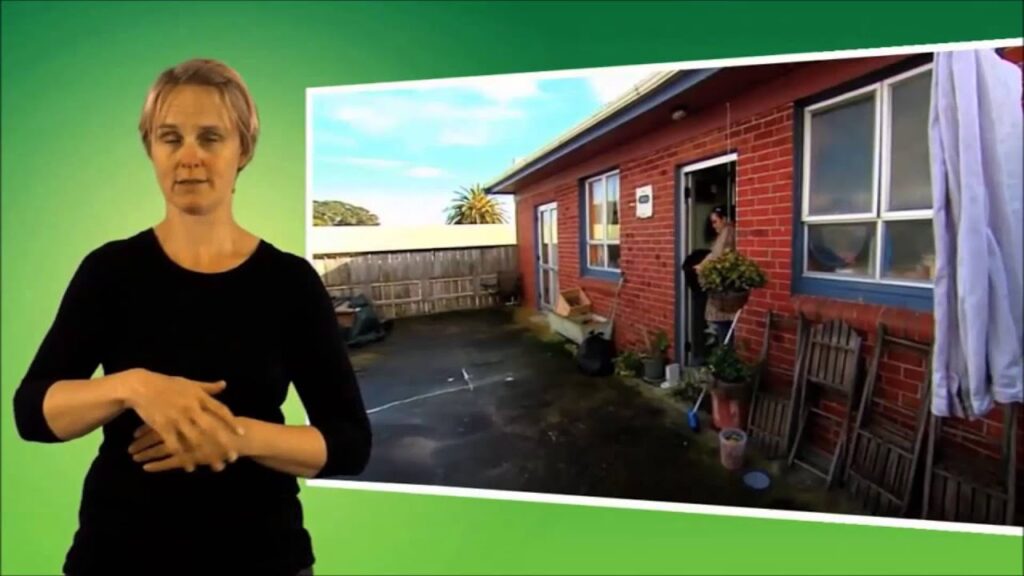
The NZSL sign for “deliver (baby)” is used in contexts related to childbirth and parenting. This sign is commonly used by the Deaf community during discussions about pregnancy, labor, and healthcare related to birthing. Understanding this sign is important for effective communication in health settings and among families.
Table of Contents
How to Sign “Deliver (Baby)” in NZSL
- Start with your dominant hand in a flat ‘B‘ shape (palm facing down).
- Position your dominant hand slightly above your non-dominant hand, which is also in a flat ‘B‘ shape (palm facing up).
- Move your dominant hand downward in a smooth motion, gently placing it on top of the non-dominant hand.
- While performing the movement, use a facial expression that conveys care and importance, reflecting the significance of the action.
Common Mistakes
- Confusing the hand shapes; ensure both hands are in the ‘B‘ shape.
- Using too much force in the movement; the sign should be gentle to reflect the delicacy of childbirth.
- Neglecting facial expressions, which are crucial in NZSL for conveying the emotional context of the sign.
NZSL vs ASL
In NZSL, the sign for “deliver (baby)” involves a gentle downward motion with a focus on the hand shapes. In contrast, ASL uses a different handshape and movement, which may involve more dynamic gestures. These differences highlight the unique characteristics of each sign language, influenced by their cultural contexts.
Related Signs
- (Be) Born, (Give) Birth – This sign refers to the process of childbirth itself.
- (Baby’s) Dummy – A sign used for a baby pacifier.
- (All Of) You – A sign that can be used in various contexts, including family discussions.
- (Be) Careful – A sign emphasizing caution, which is relevant in parenting.
- (Be) Passive – This sign can describe a state of being, relevant in discussions about care.
Frequently Asked Questions
How can I use “deliver (baby)” in a sentence?
You can sign: “The midwife will deliver the baby.” Start with the sign for “midwife,” then “deliver (baby),” and finish with the sign for “baby.”
Are there regional variations for this sign in New Zealand?
While the sign is generally consistent, some regions may have subtle variations in handshape or movement. It’s best to observe local usage.
What signs are similar to “deliver (baby)”?
Related signs include “(Be) Born, (Give) Birth,” and “(Baby’s) Dummy,” which are often used in discussions about babies and childbirth.
Can I learn NZSL online?
Yes! There are many online resources and video tutorials available to help you learn NZSL at your own pace.
What tips do you have for learning this sign?
Practice in front of a mirror to ensure your handshapes and movements are correct, and pay attention to your facial expressions.
Is NZSL different from other sign languages?
Yes, NZSL has its unique signs influenced by both British Sign Language (BSL) and te reo Māori, making it distinct from other sign languages like ASL.
Practice This Sign
Try signing Deliver (Baby) with your camera and get AI coaching on your handshape, movement, and location.
Free · No signup required