
Crocodile, Alligator in New Zealand Sign Language (NZSL)
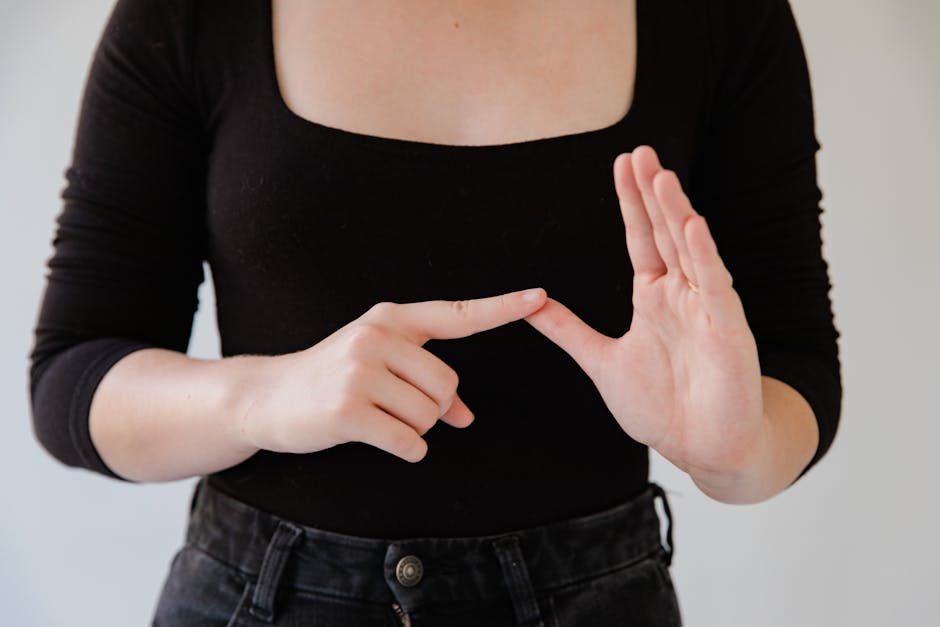
The sign “crocodilealligatorkumi ihuroa, moko ngārara” refers to both crocodiles and alligators, and is commonly used in conversations about wildlife, nature, and environmental education within the NZ Deaf community. It reflects a deep respect for nature, which is an integral part of both Māori culture and the broader New Zealand identity. This sign can also be used in storytelling or when discussing the features and behaviours of these fascinating reptiles.
Table of Contents
How to Sign “Crocodilealligatorkumi Ihuroa, Moko NgāRaranoun” in NZSL
- Start with your dominant hand in a flat shape (like a “B” handshape) with your fingers extended and slightly separated.
- Position your hand at the side of your mouth, palm facing inwards, approximately at the level of your cheek.
- Move your hand forward and down slightly in a sweeping motion, imitating the shape of a crocodile’s snout opening and closing.
- As you perform the movement, raise your eyebrows and use a facial expression that conveys curiosity or excitement, which adds context to the sign.
- To include the “moko ngārara” aspect, you can transition from the sign for crocodile to a more general hand movement, perhaps mimicking a creature crawling, to represent the animal’s movement.
Common Mistakes
- Rushing through the hand movements without enough emphasis on the facial expressions, which are crucial in NZSL for conveying meaning.
- Using an incorrect handshape—ensure to keep the “B” handshape consistent throughout the sign.
- Not fully extending the movement of the hand, which can make the sign unclear to the viewer.
NZSL vs ASL
In NZSL, “crocodilealligatorkumi ihuroa, moko ngārara” incorporates unique handshapes and movements that may differ from American Sign Language (ASL). For instance, ASL uses a different sign for crocodile and alligator, often relying on a single handshape to convey similar meanings, whereas NZSL tends to incorporate more expressive, culturally relevant movements and facial expressions.
Related Signs
- (Be) Careful – A sign emphasizing caution.
- (Baby’S) Dummy – Commonly used in discussions about infants.
- (Be) Born, (Give) Birth – Related to life cycles and nature.
Frequently Asked Questions
How can I use this sign in a sentence?
You might say, “I saw a crocodilealligatorkumi ihuroa at the zoo,” using the sign after mentioning the animal.
Are there regional variations in this sign across New Zealand?
While the sign is generally consistent, some regional communities may have slight variations in hand shape or movement based on local influences. It’s always good to learn from native users in your area.
What is a similar sign to “crocodilealligatorkumi ihuroa”?
The sign for “lizard” has a similar handshape but involves different movements. It’s important to pay attention to the context in which each sign is used.
What are some tips for learning this sign?
Practice in front of a mirror to see your handshape and facial expressions. Watching native signers can also help you understand the nuances.
Can I use this sign when talking about reptiles in general?
Yes, this sign can be used when discussing reptiles, but specifying the animal helps in clearer communication.
How does culture influence this sign?
Cultural respect for nature and wildlife in New Zealand, especially within Māori perspectives, greatly influences how signs like this are created and used.
Practice This Sign
Try signing Crocodilealligatorkumi Ihuroa, Moko NgāRaranoun with your camera and get AI coaching on your handshape, movement, and location.
Free · No signup required