
Correspondence School (variant, 2) in New Zealand Sign Language (NZSL)
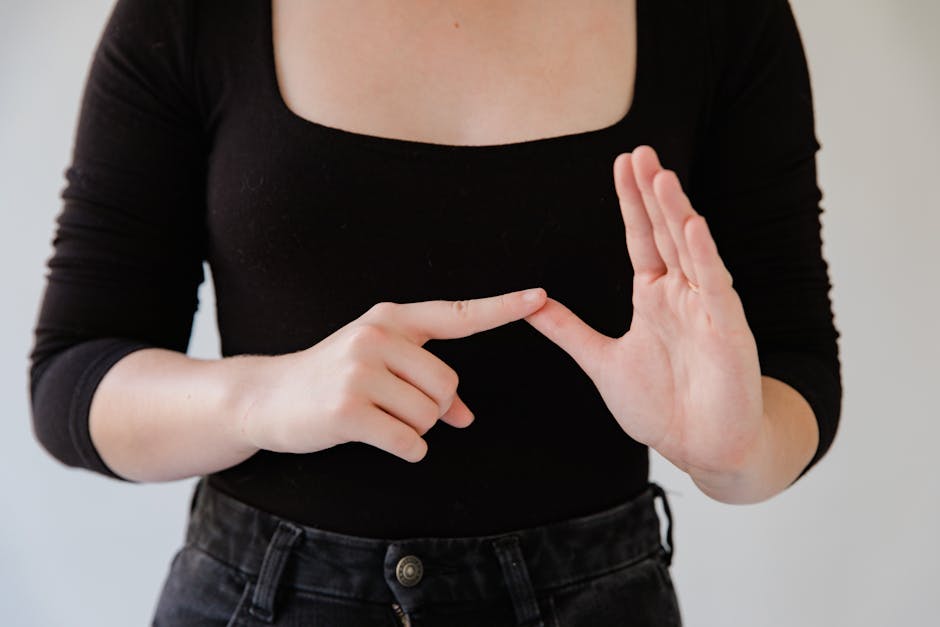
The sign for “correspondence schoolte kura ā-tuhinoun” is used in the New Zealand Deaf community to refer to educational institutions that provide learning materials and support to students who study from home. This sign is particularly relevant for students who may not attend traditional schools and is commonly used among educators, students, and parents alike.
Table of Contents
How to Sign “Correspondence Schoolte Kura ā-Tuhinoun” in NZSL
- Start with both hands open, palms facing down, and place them in front of your body at chest height.
- Bring your hands together slightly while bending your elbows, creating a soft arc as if you’re gathering something.
- Next, move your hands outward and slightly upward to represent the concept of school or education.
- Finish the sign by bringing your hands back to the starting position, maintaining a neutral facial expression to reflect the informative nature of the sign.
Common Mistakes
- Forgetting to use both hands, which can make the sign less clear.
- Not using the correct facial expressions, which are crucial for conveying meaning in NZSL.
- Rushing through the movements, leading to an unclear sign that may confuse the viewer.
NZSL vs ASL
In NZSL, the sign for “correspondence schoolte kura ā-tuhinoun” involves specific movements that reflect the local context and educational systems, while in ASL, a different sign is used that may not convey the same cultural nuances. NZSL has unique features influenced by New Zealand’s bilingual environment, including te reo Māori signs.
Related Signs
- (All Of) You – A sign indicating inclusivity or addressing a group.
- (Be) Careful – A sign used to express caution or alertness.
- (Baby’s) Dummy – A sign referring to a pacifier or comfort object for infants.
- (Be) Born, (Give) Birth – A sign related to childbirth and family.
Frequently Asked Questions
How can I use “correspondence schoolte kura ā-tuhinoun” in a sentence?
You can say, “I am studying at a correspondence schoolte kura ā-tuhinoun,” using the sign to indicate your educational setting.
Are there regional variations for this sign across New Zealand?
While the sign remains largely consistent, some regions may have slight variations in hand movements or facial expressions based on local Deaf culture.
What are some similar signs to learn?
Consider learning signs like “school” or “learning” to enhance your vocabulary related to education.
What tips can help me learn this sign more effectively?
Practice in front of a mirror to ensure your movements are clear, and try to learn from Deaf educators or community members for authentic guidance.
Can I use this sign in formal contexts?
Yes, the sign is appropriate for both formal and informal contexts, especially when discussing education.
What is the importance of facial expressions in NZSL?
Facial expressions in NZSL convey emotions and grammatical nuances, making them essential for clear communication.
Practice This Sign
Try signing Correspondence Schoolte Kura ā-Tuhinoun with your camera and get AI coaching on your handshape, movement, and location.
Free · No signup required