
Communication Behaviour in New Zealand Sign Language (NZSL)

The sign for “communication behaviour” in NZSL reflects the way Deaf individuals interact and share information within the community. This sign is often used in discussions about effective communication methods, social interactions, and cultural nuances in the New Zealand Deaf community. Understanding this sign can enhance one’s ability to engage meaningfully with Deaf peers.
Table of Contents
How to Sign “Communication Behaviour” in NZSL
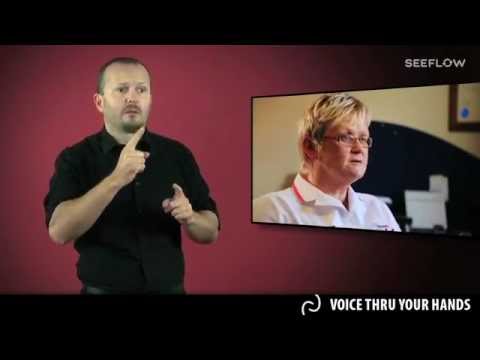
- Start with your dominant hand in a flat handshape (palm facing out).
- Place your hand at your chin, with fingers pointing towards your mouth.
- Move your hand outward and slightly forward from your chin, while maintaining the flat handshape.
- Simultaneously, use an expressive facial expression that conveys engagement or interest.
- For “behaviour,” use your non-dominant hand in a flat handshape and mimic a gentle gesture that suggests action, such as a small circular motion.
Common Mistakes
- Using a fist instead of a flat handshape can change the meaning.
- Not incorporating facial expressions may lead to a lack of clarity in the sign.
- Rushing through the movement can make the sign hard to understand; take your time to articulate it clearly.
NZSL vs ASL
In NZSL, the sign for “communication behaviour” emphasizes facial expressions and hand movements that reflect cultural nuances. In contrast, ASL may use different signs or expressions, highlighting the unique aspects of each sign language’s structure and cultural context.
Related Signs
- (All Of) You – A sign to refer to a group or all individuals present.
- (Baby’S) Dummy – A sign for a baby’s pacifier, often used in discussions about parenting.
- (Be) Careful – A sign expressing caution, important in various contexts of communication.
Frequently Asked Questions
How can I use this sign in a sentence?
You might say, “Effective communication behaviour is essential in our community,” using the sign while emphasizing the key concepts.
Are there any regional variations for this sign in New Zealand?
While the basic sign remains consistent, some regions may have slight variations in facial expressions or gestures, reflecting local Deaf culture.
What are some similar signs in NZSL?
Signs like “interaction” or “conversation” can be closely related, focusing on social engagement and communication.
What tips can help me learn this sign better?
Practice with a native signer and pay attention to facial expressions; they are key to conveying the meaning in NZSL.
Why is facial expression important in NZSL?
Facial expressions add nuance and emotion to the signs, providing context that is essential for understanding.
Can I use this sign in formal settings?
Yes, this sign can be used in both formal and informal settings, especially when discussing communication styles in a professional context.
How can I incorporate this sign into daily conversations?
Use it when discussing topics around communication, relationships, or social interactions to show understanding and engagement.
Practice This Sign
Try signing Communication Behaviour with your camera and get AI coaching on your handshape, movement, and location.
Free · No signup required