
Codeswitch (verb) in New Zealand Sign Language (NZSL)
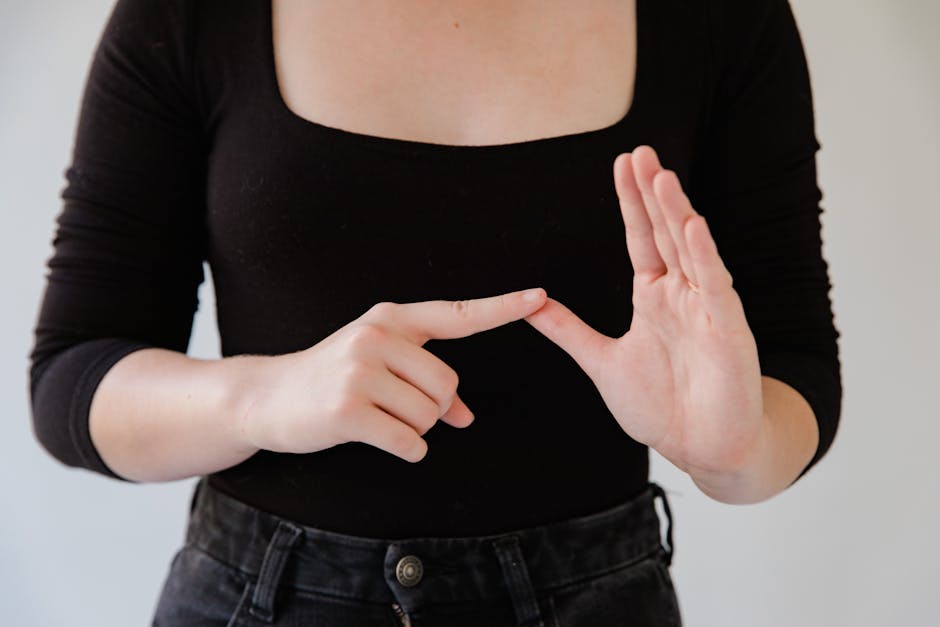
The sign “codeswitchreo rere ruaverb” is a unique expression in NZSL, often used in conversations about language and identity, particularly when discussing the blending of different languages or dialects within the New Zealand Deaf community. It reflects the rich tapestry of cultural influences present in NZSL, including elements from te reo Māori and British Sign Language (BSL). This sign is particularly popular among younger Deaf individuals and those engaged in bilingual or multilingual discussions.
Table of Contents
How to Sign “Codeswitchreo Rere Ruaverb” in NZSL
- Start with your dominant hand in a flat handshape, palm facing inward.
- Position your hand near your chin, as if you’re about to speak.
- Move your hand in a circular motion away from your face, gradually opening your fingers to represent the blending of languages.
- As you make the circular motion, change the handshape to a ‘C’ shape, indicating a transition or switch.
- End the movement by bringing your hand down to your side, maintaining an expressive facial expression to convey the dynamic nature of codeswitching.
Common Mistakes
- Using a static handshape instead of transitioning between shapes during the sign.
- Failing to incorporate facial expressions, which are crucial for conveying meaning in NZSL.
- Not making the circular motion wide enough, which can limit the clarity of the sign.
NZSL vs ASL
In NZSL, “codeswitchreo rere ruaverb” emphasizes the fluidity of language and cultural identity, utilizing unique handshapes and movements. In comparison, ASL may have a different sign that focuses more on the concept of switching languages without the same cultural nuances, reflecting the differences in language usage and community identity.
Related Signs
- (All Of) You – a sign used to address a group inclusively.
- (All Of) Youyou Allkoutou (Katoa)Pronoun – emphasizes collective identity.
- (Baby’S) Dummy – refers to a common object, useful in everyday contexts.
- (Be) Careful – a sign conveying caution or awareness.
- (Be) Passive – indicates a state of being that can relate to language use.
Frequently Asked Questions
How can I use “codeswitchreo rere ruaverb” in a sentence?
You might say, “I often use codeswitchreo rere ruaverb in my conversations with friends,” highlighting its practical application.
Are there regional differences in signing this?
While the sign is generally consistent, some regional variations may exist in movement or handshape, particularly between urban and rural areas.
What are some signs similar to this one?
Signs like “switch” or “mix” may convey related concepts, though they won’t carry the same cultural weight.
What tips do you have for learning this sign?
Practice in front of a mirror to refine your handshape and movement, and watch videos of native signers for better understanding.
How does this sign connect with te reo Māori?
The sign reflects the cultural blending of te reo Māori and NZSL, emphasizing identity and community within the Deaf culture.
Can this sign be used in formal settings?
Yes, it can be used in discussions about language policy, identity, or education, showcasing the richness of bilingualism.
Practice This Sign
Try signing Codeswitchreo Rere Ruaverb with your camera and get AI coaching on your handshape, movement, and location.
Free · No signup required