
Captain, Chief in New Zealand Sign Language (NZSL)

The sign for “captain” or “chief” in NZSL represents a leader or someone in charge, often used in contexts related to sports, military, or organizational roles. This sign is commonly used within the Deaf community to refer to someone who holds a position of authority or leadership.
Table of Contents
How to Sign “Captain, Chief” in NZSL
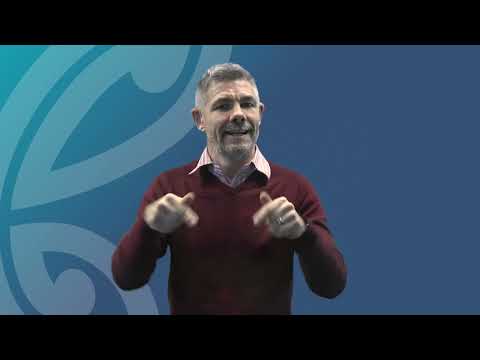
- Start with your dominant hand in a flat ‘C’ shape.
- Position your hand at your forehead, with your palm facing outward.
- Move your hand slightly forward and downward, as if you are saluting or acknowledging your position.
- Maintain a confident facial expression to convey authority.
Common Mistakes
- Using a clenched fist instead of the flat ‘C’ handshape.
- Positioning the hand too far from the forehead, which can lead to misunderstanding.
- Having a neutral or unsure facial expression, which may not convey the intended meaning of leadership.
NZSL vs ASL
In NZSL, the sign for “captain” involves a flat ‘C’ handshape, while in ASL, it typically uses a different handshape and movement. This highlights the unique characteristics of NZSL influenced by its cultural context and local usage.
Related Signs
- (All Of) You – Referring to a group.
- (Baby’s) Dummy – A common item for infants.
- (Be) Careful – A sign for caution.
Using “Captain, Chief” in Everyday Conversations
The sign “Captain, Chief” can be used in various contexts, particularly when discussing leadership roles or experiences in team settings. Here are a few example sentences that illustrate how this sign fits naturally into everyday conversations:
- Situation: Talking about a sports team leader.
NZSL Sentence: “MY FRIEND CAPTAIN TEAM SOCCER.” (My friend is the captain of the soccer team.) - Situation: Discussing a project at work.
NZSL Sentence: “BOSS CAPTAIN PROJECT MEETING.” (The boss is the captain of the project meeting.) - Situation: Sharing about a traditional Māori leader.
NZSL Sentence: “MĀORI CHIEF IMPORTANT CULTURE.” (The Māori chief is important to our culture.)
Cultural Notes
The sign “Captain, Chief” resonates deeply within the New Zealand Deaf community, where leadership and guidance are highly valued. NZSL was officially recognized as one of New Zealand’s official languages in 2006, affirming the importance of sign language in our society. This recognition supports the visibility and inclusion of Deaf culture, which is rich in history and traditions.
Within the context of te reo Māori, the concept of leadership is often associated with cultural practices and traditional roles. The connection between Māori leadership and the Deaf community highlights the significance of respecting cultural identities. Additionally, regional variations in NZSL may influence how this sign is produced, so it’s beneficial to engage with local Deaf groups to gain a richer understanding of its usage.
Tips for Learning This Sign
Learning the sign “Captain, Chief” can be made easier with some practical tips:
- Mirror Practice: Stand in front of a mirror and practice the sign. This helps you see your own movements and refine your technique.
- Facial Expressions: Pay attention to your facial expressions while signing. They add context and emotion, making your communication more effective.
- Short Signed Sentences: Create short sentences that incorporate the sign. Use them in conversations with friends or during practice sessions. For example, “I want to be CAPTAIN” or “She is CHIEF at work.”
By integrating these techniques into your learning routine, you’ll find it easier to remember and effectively use the sign “Captain, Chief” in your conversations!
Frequently Asked Questions
How can I use “captain” in a NZSL sentence?
You can place the sign for “captain” in a sentence like: “The captain leads the team,” by following it with signs for “leads” and “team.”
Are there regional variations for this sign in NZ?
While the sign is generally consistent, some regions may have slight variations in the facial expression or hand movement.
What are some similar signs to “captain”?
Related signs include “leader,” “chief,” and “boss,” each having their own specific handshapes and movements.
What tips can help me learn this sign better?
Practice in front of a mirror to check your handshape and facial expression. Watching videos of fluent signers can also be beneficial.
Can I use “captain” in a sports context?
Yes, it’s commonly used in sports to refer to the team captain, showcasing leadership on the field.
What is the cultural significance of this sign?
This sign reflects the importance of leadership roles within the Deaf community and is often associated with respect and authority.
Practice This Sign
Try signing Captain, Chief with your camera and get AI coaching on your handshape, movement, and location.
Free · No signup required