
Agree in New Zealand Sign Language (NZSL)
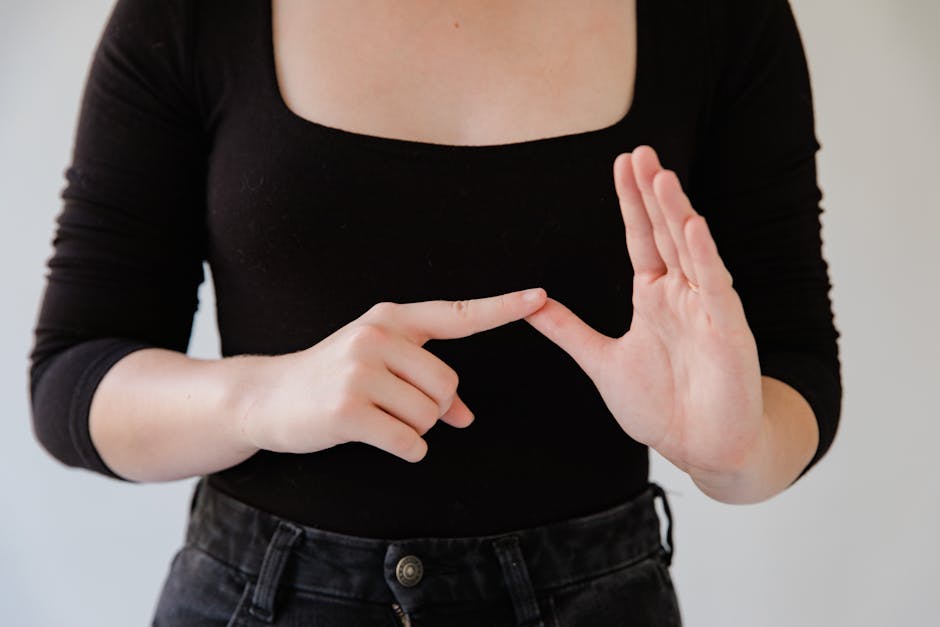
The sign “agreement verbkupumahi whaihononoun; phrase” in NZSL expresses a sense of consensus or alignment in conversation. It is commonly used among the Deaf community when agreeing with someone’s statement or decision. This sign showcases the rich visual nature of NZSL and its cultural nuances.
Table of Contents
How to Sign “Agreement Verbkupumahi Whaihononoun; Phrase” in NZSL
- Start with your dominant hand in a flat handshape (like a ‘B’ handshape) and position it in front of your chest.
- Move your hand forward slightly from your chest while maintaining the flat handshape.
- As you move your hand, nod your head slightly to indicate agreement.
- To emphasize the agreement, you can also raise your eyebrows while signing.
Common Mistakes
- Some learners may confuse the handshape with a fist, which can alter the meaning.
- Not using facial expressions, which are crucial in NZSL to convey emotions and intent.
- Forgetting to maintain a consistent hand position throughout the sign.
NZSL vs ASL
In NZSL, the sign for “agreement” has a distinct handshape and movement that differs from ASL. While ASL may use a different sign entirely, NZSL emphasizes facial expressions and the physical context of the conversation, reflecting its unique cultural background.
Related Signs
- (All Of) You – Used to refer collectively to a group.
- (All Of) Youyou Allkoutou (Katoa)Pronoun – Similar to the previous sign, emphasizing inclusivity.
- (Baby’S) Dummy – A sign related to parenting and children.
- (Be) Careful – A sign to indicate caution or mindfulness.
- (Be) Passive – This sign can express non-action or agreement in a passive context.
Frequently Asked Questions
How do I use this sign in a sentence?
You can use the sign when saying, “I agree with your idea,” by first signing your statement and then incorporating the agreement sign.
Are there regional variations in how this sign is used across New Zealand?
While the core sign remains consistent, some regions may have slight variations in speed and emphasis, reflecting local Deaf culture.
What are some similar signs that express agreement?
Signs like “yes” or “true” can also convey agreement but may have different contexts of use.
What’s a good learning tip for mastering this sign?
Practice in front of a mirror to ensure your handshape and facial expressions match the intended meaning.
Can I use this sign in a formal setting?
Yes, it is appropriate to use in both formal and informal contexts when expressing agreement.
How does this sign relate to te reo Māori?
The integration of te reo Māori signs into NZSL reflects the cultural connection between the two communities, enhancing the richness of the language.
Practice This Sign
Try signing Agreement Verbkupumahi Whaihononoun; Phrase with your camera and get AI coaching on your handshape, movement, and location.
Free · No signup required