
Adverb in New Zealand Sign Language (NZSL)
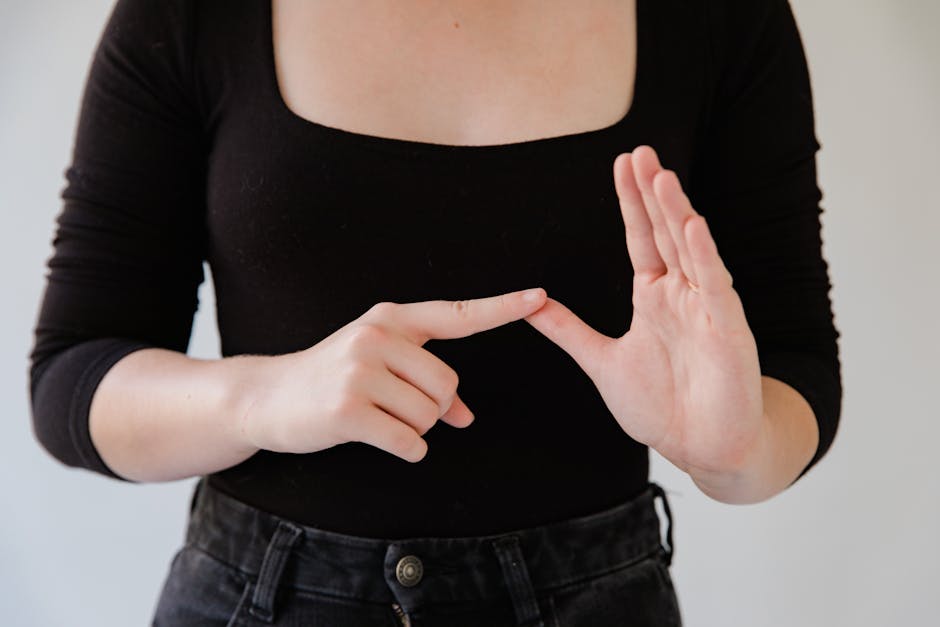
The sign “adverbadverbialhikumahinoun” in NZSL refers to the grammatical category of adverbs, which modify verbs, adjectives, or other adverbs. This sign is commonly used in discussions about language, grammar, and writing within the Deaf community, particularly in educational settings. Understanding this concept is essential for effective communication and enhancing language skills.
Table of Contents
How to Sign “Adverbadverbialhikumahinoun” in NZSL
- Start with your dominant hand in a flat shape, fingers extended and together.
- Position your hand in front of your chest, palm facing down.
- Move your hand slightly forward and then make a circular motion, moving your hand to the right and back to the starting position.
- While signing, maintain a neutral facial expression to convey clarity and focus on the concept.
Common Mistakes
- Forgetting to use the correct handshape, which can lead to confusion.
- Not maintaining the proper facial expression, which is important for conveying meaning in NZSL.
- Rushing through the sign, causing the movements to become unclear or jumbled.
NZSL vs ASL
In NZSL, the sign for “adverbadverbialhikumahinoun” incorporates unique hand movements and positions that may differ from ASL. While ASL uses different signs for grammatical terms, NZSL integrates more visual elements that reflect its distinct linguistic structure, influenced by both BSL and local cultural expressions.
Related Signs
- (All Of) You – A sign used to refer to a group of people inclusively.
- (All Of) Youyou Allkoutou (Katoa)Pronoun – Another inclusive term for addressing a group.
- (Be) Careful – A sign expressing caution or alertness.
- (Be) Passive – A sign indicating a state of being or passivity.
Frequently Asked Questions
How can I use “adverbadverbialhikumahinoun” in a sentence?
You can use this sign to discuss how adverbs modify verbs, for example: “She quickly runs” can be signed by incorporating the adverb sign.
Are there regional variations for this sign in New Zealand?
While the sign is generally consistent, some regions may have slight variations in movement or facial expressions, reflecting local influences.
What are some signs similar to “adverbadverbialhikumahinoun”?
Signs related to grammar or language, such as “noun,” “verb,” or “adjective,” may have similar structures or movements.
What tips do you have for learning this sign?
Practice in front of a mirror to check your handshape and facial expressions, and try using the sign in context with others to improve your comfort.
Can this sign be used in casual conversation?
While it is more academic, you can use it in discussions about language, particularly among peers interested in grammar.
What resources can I use to learn more about NZSL?
Look for NZSL classes, online tutorials, and community groups that focus on teaching and sharing NZSL.
Practice This Sign
Try signing Adverbadverbialhikumahinoun with your camera and get AI coaching on your handshape, movement, and location.
Free · No signup required