
Afternoon (Māori: ahiahi) in New Zealand Sign Language (NZSL)
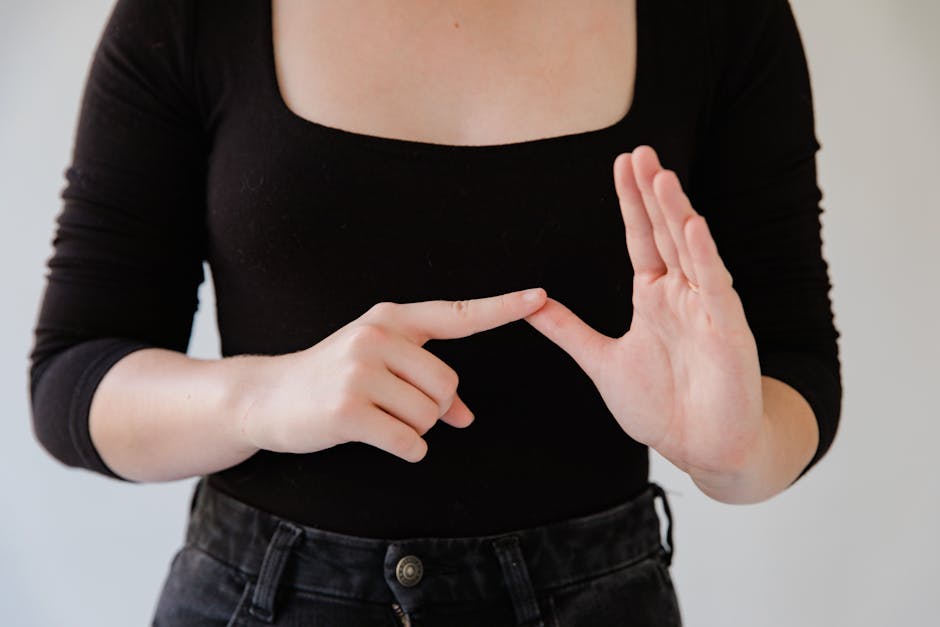
The sign “afternoonahiahinoun” in NZSL refers to the afternoon, typically used to indicate the time of day from around midday to evening. It’s a common sign in daily conversations among the New Zealand Deaf community, especially when discussing plans or scheduling events.
Table of Contents
How to Sign “Afternoonahiahinoun” in NZSL
- Start with your dominant hand in a flat handshape (like a closed palm).
- Position your hand in front of your body, at chest height.
- Slowly move your hand horizontally to the right while keeping the palm facing down.
- As you move your hand, slightly raise your eyebrows to indicate the time of day.
- Finish the movement by bringing your hand to a stop, maintaining the flat handshape.
Common Mistakes
- Forgetting to maintain the flat handshape; some learners mistakenly use a fist.
- Not using facial expressions to convey the time of day, which can lead to confusion.
- Moving the hand too quickly, making the sign less clear.
NZSL vs ASL
In ASL, the sign for “afternoon” involves a different handshape and movement than in NZSL. While NZSL uses a flat hand moving to the side, ASL typically uses a different form and might place more emphasis on the facial expressions to indicate the time of day.
Related Signs
- Afternoon – The general sign for the afternoon time.
- Morning – Used to indicate the morning period.
- Evening – Refers to the time period from late afternoon to night.
- Night – The sign for nighttime or evening.
- Time – A general sign for discussing time.
Frequently Asked Questions
Can I use “afternoonahiahinoun” in sentences?
Yes, you can use this sign in sentences like “I will see you in the afternoon.” Just ensure to include appropriate facial expressions and body language for clarity.
Are there regional variations for this sign in NZ?
While “afternoonahiahinoun” is widely understood, some variations may exist in different regions of New Zealand. It’s always good to learn from local Deaf individuals.
What other signs are similar to “afternoonahiahinoun”?
Signs such as “morning” and “evening” are related as they all refer to different times of the day.
How can I improve my sign for “afternoonahiahinoun”?
Practice in front of a mirror to ensure your handshape and movement are correct. Watching fluent NZSL users can also help.
Is there a difference between “afternoon” and “afternoonahiahinoun”?
In NZSL, “afternoonahiahinoun” is specifically used to denote the afternoon, while “afternoon” may be a more general term.
Can I use this sign in a group setting?
Absolutely! Sign language is a visual language and works great in group settings, enhancing communication.
Practice This Sign
Try signing Afternoonahiahinoun with your camera and get AI coaching on your handshape, movement, and location.
Free · No signup required