
Abuse, Assault, Attack, Beat Up, Bully, Hit, Physical Abuse, Violent in New Zealand Sign Language (NZSL)
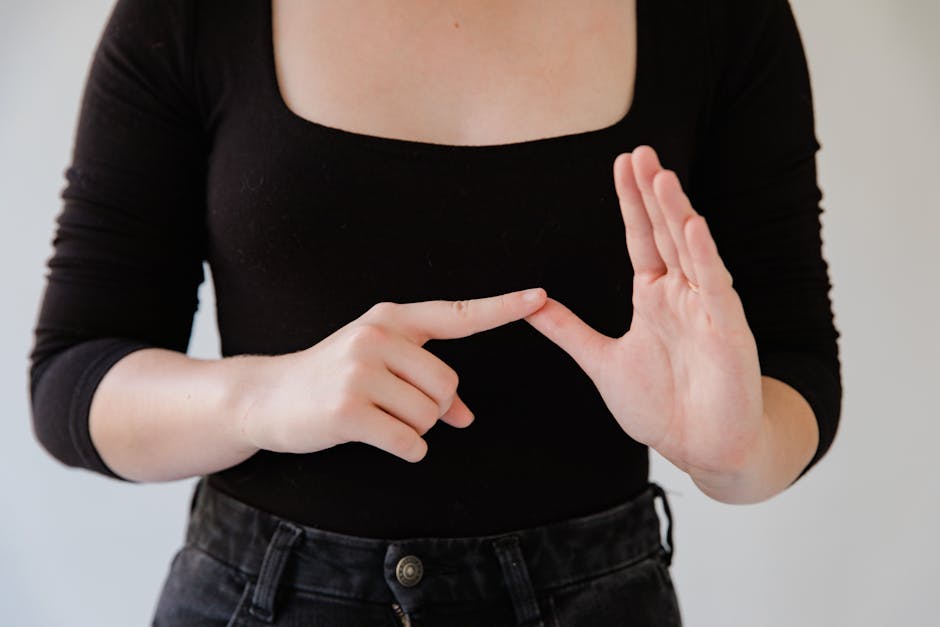
In NZSL, “abuseassault, attack, beat up, bully, hit, physical abuse, violent” represents critical concepts that affect both individuals and communities. This term frequently appears in conversations concerning personal safety, mental health, and various social issues within the Deaf community. Familiarity with this sign aids in addressing these important and sensitive topics.
Table of Contents
How to Sign “Abuseassault, Attack, Beat Up, Bully, Hit, Physical Abuse, ViolenttūKinonoun; Verb” in NZSL
- Start with your dominant hand in a fist, which represents the action of hitting or attacking.
- Position your fist at shoulder height, with your palm facing towards you.
- Move your fist forward in a quick, sharp motion, as if you are striking something.
- Facial expression is key: show seriousness or concern to convey the gravity of the sign.
Common Mistakes
- Not using a strong enough facial expression, which can make the sign seem less serious.
- Using a loose hand shape instead of a fist, which can change the meaning of the sign.
- Not moving the fist forward sharply, making it unclear that it represents an attack or hit.
NZSL vs ASL
In NZSL, the sign for “abuseassault” is characterized by the use of a fist and a forward movement, while in ASL, the sign may involve different hand shapes and movements. Each sign language has unique features, shaped by cultural context and the Deaf community’s experiences.
Related Signs
- (All Of) You
- (Be) Careful
- (Be) Passive
Frequently Asked Questions
How can I use this sign in a sentence?
For example, “I was bullied at school” can be signed using the sign for “bully” along with signs for “I” and “school.”
Are there regional variations for this sign in NZ?
While the sign is generally consistent, some regional variations may exist in movement or facial expression. It’s good to learn from local Deaf communities.
What is a similar sign to this in NZSL?
The sign for “hit” is closely related and can be used in similar contexts, often with subtle differences in movement.
What tips do you have for learning this sign?
Practice in front of a mirror to check your hand shape and movement, and try to incorporate the appropriate facial expressions.
Can this sign be used in a positive context?
No, this sign is strictly used to convey negative actions or experiences. It’s important to use it thoughtfully.
How does this sign relate to mental health discussions?
Understanding and using this sign can help raise awareness of issues related to bullying and abuse, contributing to mental health conversations within the Deaf community.
Practice This Sign
Try signing Abuseassault, Attack, Beat Up, Bully, Hit, Physical Abuse, ViolenttūKinonoun; Verb with your camera and get AI coaching on your handshape, movement, and location.
Free · No signup required