
E Lexikon Gebärdensprache in Deutscher Gebärdensprache (DGS)
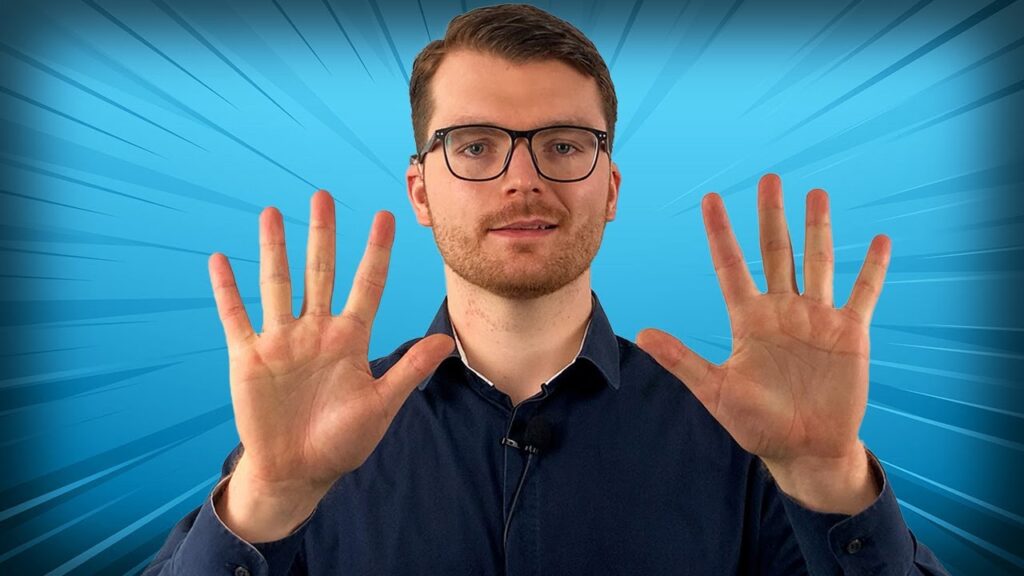
The sign “E Lexikon GebäRdensprache” refers to a resource or dictionary of signs used in the German Sign Language (DGS). It’s often used in educational settings or discussions about sign language resources, providing a way to reference specific signs or concepts related to Deaf culture.
Table of Contents
How to Sign “E Lexikon GebäRdensprache“
- Start with your dominant hand in a “B” handshape (fingers together, palm facing down) at your forehead level.
- Move your hand slightly forward while maintaining the “B” shape, indicating the action of presenting or providing information.
- As you move your hand, shift your facial expression to one of focus or engagement, reflecting the informative nature of the sign.
- Optionally, you can use your non-dominant hand to frame the sign, placing it in front of your body with an open palm, to emphasize the concept of a lexicon.
Common Mistakes
- Some learners might forget to maintain the appropriate handshape, leading to confusion with other signs.
- Failing to incorporate facial expressions can result in a lack of clarity about the sign’s meaning.
- Not moving the hand forward enough can make the sign appear static, diminishing its informational intent.
Related Signs
- 1 – The sign for the number one, often used in counting or listing.
- 100 – Represents the number one hundred, useful in discussions involving quantities.
- 12 – The sign for twelve, commonly used in various counting contexts.
- 1 Gebärdensprache – Refers to the first sign language, an important part of learning DGS.
Frequently Asked Questions
How can I use this sign in a sentence?
You can use it in a sentence like: “I have the E Lexikon GebäRdensprache at home for reference.”
Are there regional variations of this sign?
While the core sign remains consistent, some regional variations may exist based on local dialects within the Deaf community.
Is there a similar sign in British Sign Language (BSL)?
Yes, BSL has its own signs for similar concepts, though they may differ significantly from ASL.
What are some tips for teaching this sign?
Encourage learners to practice in pairs to provide feedback on handshape and facial expressions, which are crucial for clarity.
Can I use this sign in a professional setting?
Absolutely! It’s appropriate to use in any context where discussing sign language resources or educational materials.
What makes this sign important in Deaf culture?
This sign is vital as it represents the importance of language and resources in the Deaf community, promoting literacy and communication.
Practice This Sign
Try signing E Lexikon Gebärdensprache with your camera and get AI coaching on your handshape, movement, and location.
Free · No signup required