
Yeast in British Sign Language (BSL)
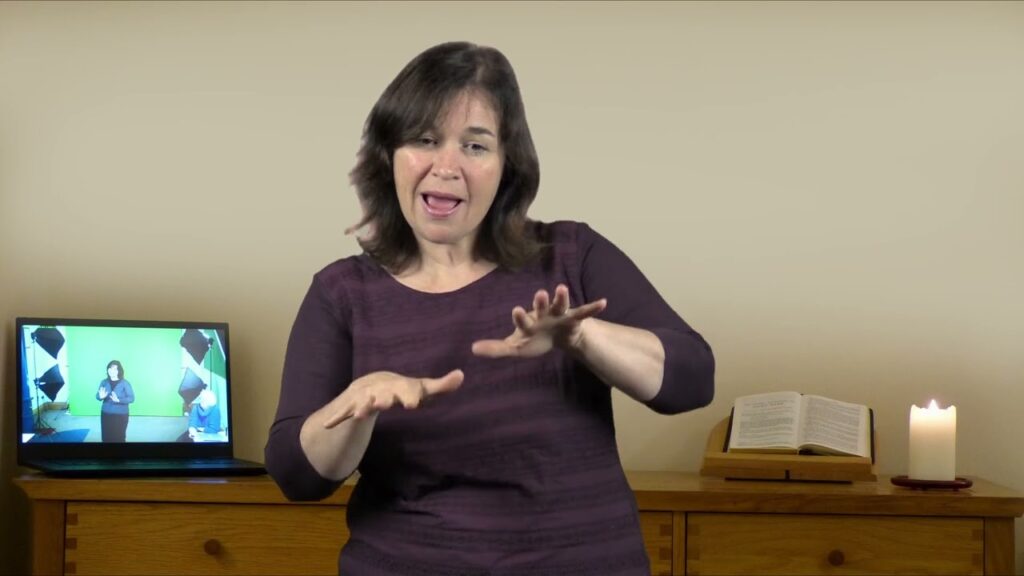
The sign for “yeast” is commonly used in discussions about baking, brewing, and food preparation within the UK Deaf community. Understanding how to sign “yeast” is useful in both casual conversations and culinary contexts.
How to Sign “Yeast”
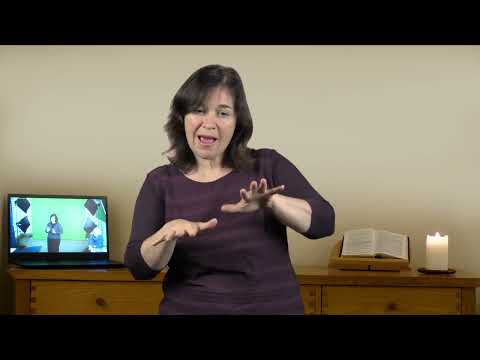
- Start with your dominant hand in a flat ‘B’ handshape (palm facing down).
- Place your hand on your non-dominant hand, which should be in a flat ‘B’ handshape as well (palm facing up).
- Move your dominant hand slightly up and down while keeping the non-dominant hand steady, mimicking the action of yeast rising.
- Use a facial expression that conveys the action, such as raising your eyebrows to indicate curiosity or interest.
- Ensure you maintain a clear eye gaze to your audience, reinforcing the topic-comment structure typical in BSL.
Common Mistakes
- Forgetting to use the correct handshape, which can lead to confusion with other signs.
- Not incorporating facial expressions, which can make the sign look flat or less engaging.
- Neglecting to establish the topic-comment structure, making the sign less clear in a sentence context.
BSL vs ASL
In BSL, the sign for “yeast” focuses on the action of rising, using two flat handshapes to illustrate the concept. In contrast, ASL uses a different handshape and movement that doesn’t emphasize the rising aspect but rather the yeast itself. This highlights how the two languages can convey similar meanings through different signs.
Related Signs
- Bread – The sign for bread, often used in conjunction with yeast.
- Bake – The action of baking, relevant when discussing recipes.
- Flour – A key ingredient in baking along with yeast.
- Cook – The general action of cooking that includes baking.
- Food – A broader sign for food-related discussions.
Frequently Asked Questions
How can I use “yeast” in a BSL sentence?
You can use “yeast” in a sentence like this: “I want to bake bread. Yeast is important.” In BSL, you would sign “I bread bake. Yeast important.”
Are there regional variations for this sign?
While the sign for “yeast” is generally consistent, some regions may have slight variations in handshape or movement. It’s always good to learn from local Deaf signers.
What signs are similar to “yeast”?
Other signs related to food, like “flour” and “bake,” share similar contexts and can often be used together in discussions about cooking.
What are some tips for learning this sign?
Practice in front of a mirror to observe your handshape and facial expressions. Watching native signers can also help you grasp the nuances.
Can I use this sign when referring to baking in general?
Yes, “yeast” can be used in broader conversations about baking and cooking, especially when discussing ingredients.
How important are non-manual features in BSL?
Non-manual features, like facial expressions, are crucial in BSL as they convey tone and emotion, adding clarity to your signs.
Practice This Sign
Try signing Yeast In Bsl with your camera and get AI coaching on your handshape, movement, and location.
Free · No signup required