
Valid Comparison in British Sign Language (BSL)

The sign “valid comparison” is often used in discussions where one is comparing two or more things that are relevant and appropriate to compare. This can apply in various contexts, such as education, discussions about equality, and evaluating similarities or differences in experiences. It helps convey the importance of making fair and just comparisons in conversations within the UK Deaf community.
How to Sign “Valid Comparison”
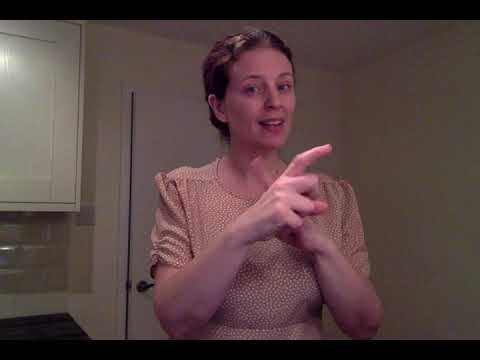
- Start with your dominant hand in the shape of the letter ‘V’ (index and middle fingers extended, others closed).
- Position your hand at the side of your forehead, with your palm facing outwards.
- Move the ‘V’ hand forward slightly to indicate the idea of “validity” or “truth”.
- Next, use your non-dominant hand, also in a ‘V’ shape, positioned in front of you to represent the second item in the comparison.
- Bring both ‘V’ hands together, then move them apart slightly to show the comparison between two elements.
- Throughout the sign, maintain a neutral or serious facial expression to convey the importance of the comparison.
Common Mistakes
- Forgetting to use both hands to represent the comparison, which can lead to confusion.
- Using an incorrect facial expression; it’s essential to reflect seriousness to match the context.
- Not maintaining the correct positions for each hand, which can make the sign unclear.
BSL vs ASL
In BSL, the sign for “valid comparison” relies heavily on the use of space and two hands representing the elements being compared. In contrast, ASL tends to use a single handshape and may incorporate different movements to express the same concept. This reflects the distinct grammatical structures of each sign language.
Related Signs
- Equal – Signifying the concept of equality between items.
- Similar – Used to indicate likeness or resemblance.
- Different – Highlighting differences between two or more items.
- Compare – The general act of comparing two or more items.
- Contrast – Focusing on the differences between items.
Frequently Asked Questions
How can I use “valid comparison” in a BSL sentence?
You can structure a sentence using the topic-comment format, such as “This comparison (topic) is valid (comment).” Use appropriate facial expressions to convey the meaning.
Are there regional variations for this sign?
While the core sign remains consistent, some regions may have slight variations in handshape or movement. Observing local signers can help you learn these nuances.
What are some similar signs?
Signs like “equal”, “similar”, and “different” are related and often used in contexts involving comparisons. Each sign has its specific use, so it’s beneficial to learn them all.
Do you have tips for learning this sign?
Practice with a partner or in front of a mirror to refine your hand positions and facial expressions. Watching videos of native signers can also help.
Is this sign used in formal settings?
Yes, “valid comparison” is often used in educational and formal contexts where clear and just comparisons are essential.
Can context change the meaning of this sign?
Yes, the context in which you use “valid comparison” can change its emphasis. Adjust your facial expressions and the surrounding signs to clarify your intent.
Practice This Sign
Try signing Valid Comparison In Bsl with your camera and get AI coaching on your handshape, movement, and location.
Free · No signup required