
Variables in British Sign Language (BSL)
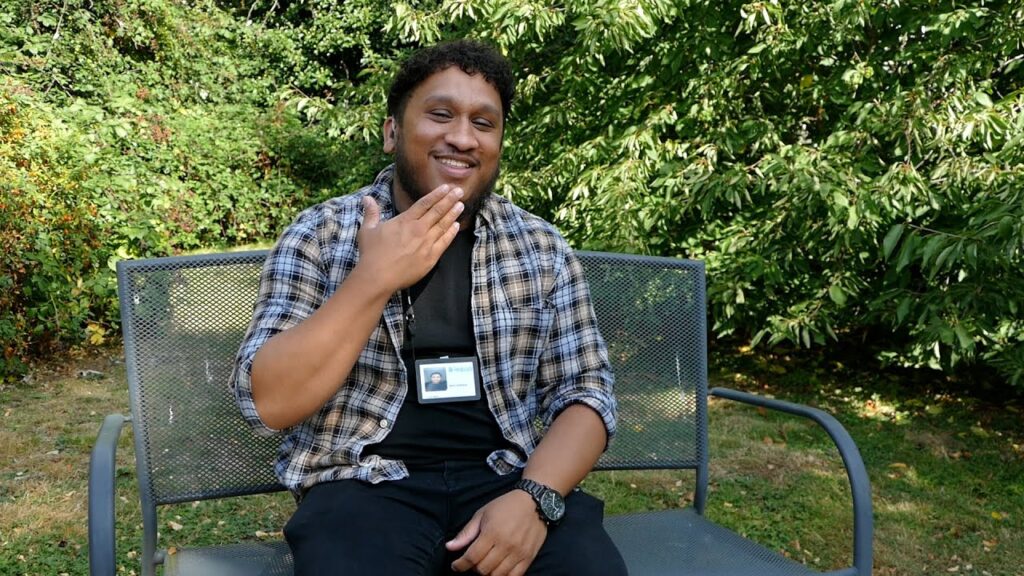
The sign for “variables in BSL” is used to discuss different elements or factors that can change within a topic, particularly in educational or analytical contexts. It’s commonly used among the UK Deaf community, especially in discussions related to mathematics, programming, or general problem-solving. This sign can help clarify the concept of variability in various contexts.
How to Sign “Variables” in BSL

- Start with your dominant hand in a flat ‘B’ shape (palm facing down) to represent the concept of a variable.
- Position your hand at about shoulder height, slightly in front of you, ensuring your palm is facing away from your body.
- Move your hand in a slight circular motion, indicating the idea of change or variability.
- As you perform the movement, raise your eyebrows to show emphasis and indicate that you are discussing a key concept.
- To complete the sign, bring your hand back to the original position and nod slightly to convey that you are finished with your point.
Common Mistakes
- Using a flat hand instead of the correct ‘B’ shape can lead to confusion about the sign’s meaning.
- Failing to use non-manual features, like facial expressions, may result in a lack of clarity in communication.
- Not using space effectively; ensure you keep the hand movements clear and distinct to convey the idea of change.
BSL vs ASL
In BSL, the sign for “variables” is more focused on the concept of change with a specific hand shape and movement, while in ASL, the sign may use different gestures and hand configurations that do not emphasize the same aspects of variability. BSL often incorporates more facial expressions and spatial awareness in its signs.
Related Signs
- 1 – The sign for the number one.
- 10 – The sign for the number ten.
- 100 – The sign for the number one hundred.
- 12 – The sign for the number twelve.
- 15 – The sign for the number fifteen.
Frequently Asked Questions
How do I use “variables in BSL” in a sentence?
You can use it in a sentence like: “The variables in BSL are important for understanding different concepts.”
Are there regional variations for this sign?
While the sign is generally consistent, some regions may have slight variations in the hand shape or movement.
What are some similar signs?
Similar signs include “constants” and “parameters,” which are often used in mathematical or programming contexts.
Can you suggest tips for learning this sign?
Practice in front of a mirror to check your hand shape and facial expressions, and try to incorporate the sign into conversations to strengthen your skills.
Is this sign used in educational settings?
Yes, it is frequently used in classroom discussions, particularly in subjects that involve mathematics or science.
What are the non-manual features to consider?
Facial expressions, especially raising your eyebrows, are crucial for indicating importance and clarity in your signing.
Practice This Sign
Try signing Variables In Bsl with your camera and get AI coaching on your handshape, movement, and location.
Free · No signup required