
Umma in British Sign Language (BSL)
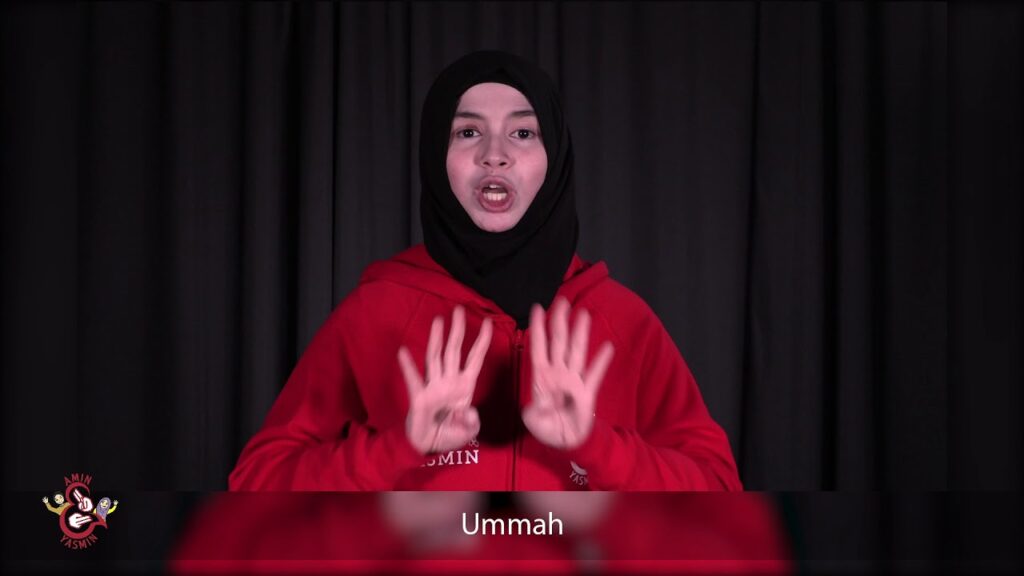
The sign for “umma” in BSL refers to the affectionate term for mother, similar to “mum” or “mummy” in English. It’s commonly used in casual conversations among family and friends within the UK Deaf community to express love and connection.
How to Sign “Umma”
- Start with your dominant hand in a curved shape, resembling a claw or a “C” shape.
- Position your hand near your chin, palm facing inwards.
- Gently move your hand downwards away from your chin while keeping the shape intact.
- As you move your hand, make sure to smile or use a gentle facial expression to convey warmth and affection.
- Maintain a relaxed posture to enhance the emotional context of the sign.
Common Mistakes
- Forgetting to use a facial expression, which is crucial for conveying the affectionate meaning.
- Over-exaggerating the movement, making it look too stiff or formal rather than warm and fluid.
- Using the wrong handshape; ensure you use the curved “C” shape rather than a flat hand.
BSL vs ASL
In BSL, the sign for “umma” is expressed with a gentle downward movement from the chin, while in ASL, the sign for “mom” typically involves tapping the thumb on the chin. The handshapes and movements vary distinctly between the two sign languages, reflecting their unique grammatical structures.
Related Signs
- Dad – Sign for father, often made with a similar handshape and position.
- Family – A sign that encompasses all family members, showing connection.
- Love – A sign that expresses affection, relevant in many familial contexts.
- Parent – A general sign for either mother or father.
Frequently Asked Questions
Can “umma” be used in sentences?
Yes, you can use “umma” in various contexts. For example, “Umma happy” to express that your mother is happy.
Are there regional variations of this sign?
While “umma” is widely recognized, some regional variations may exist in hand movements or facial expressions among different Deaf communities in the UK.
What other signs are similar to “umma”?
Other familial signs like “dad” and “sibling” share similar contexts but differ in execution. Familiarity with these can enhance your communication.
Any tips for learning this sign?
Practice in front of a mirror to observe your facial expressions and handshape. Watching fluent signers can also be beneficial.
Is “umma” used in formal settings?
Typically, “umma” is used in informal settings. In formal contexts, you might simply use “mother” or “mum” depending on the situation.
Can I use “umma” for other mother figures?
While “umma” specifically refers to biological mothers, it can also be used affectionately for maternal figures like grandmothers or guardians within family contexts.
Practice This Sign
Try signing Umma In Bsl with your camera and get AI coaching on your handshape, movement, and location.
Free · No signup required