
Thank You BSL in British Sign Language (BSL)
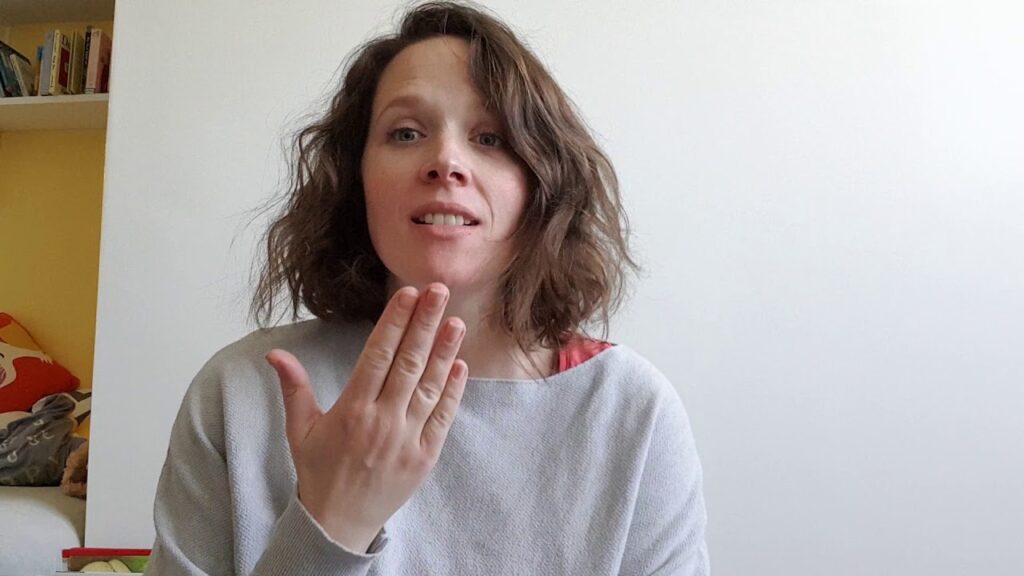
The sign for “thank you” is a fundamental expression of gratitude in BSL, reflecting appreciation in various social situations. It’s commonly used in the UK Deaf community when someone wishes to acknowledge a kind gesture or assistance. This simple yet meaningful sign fosters connection and respect among users.
How to Sign “Thank You Bsl” in BSL
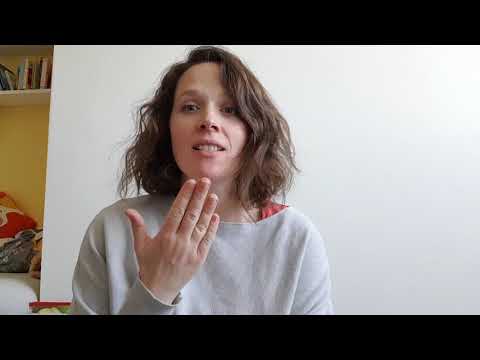
- Start with your dominant hand in a flat “B” shape (fingers together, palm facing upwards).
- Place the fingertips of your dominant hand just under your chin.
- Move your hand slightly away from your chin, towards the person you are thanking, while keeping your palm facing upwards.
- Maintain a friendly facial expression, as non-manual features play a vital role in conveying sincerity.
Common Mistakes
- Forgetting to use the appropriate facial expression, which can make the sign feel insincere.
- Not moving the hand away from the chin enough, making it unclear that you are expressing gratitude.
- Using the wrong handshape; the “B” shape is essential for this sign.
BSL vs ASL
In BSL, “thank you” is signed by moving the hand from the chin, while in American Sign Language (ASL), the sign is made by moving the fingertips away from the mouth. This highlights the differences in hand shapes and movements between the two signing systems.
Related Signs
- Please – A polite request sign.
- Excuse Me – Used to get someone’s attention politely.
- Sorry – An expression of apology.
- Help – Requesting assistance.
- Welcome – A greeting indicating hospitality.
Frequently Asked Questions
How can I use “thank you” in a BSL sentence?
You can place the sign “thank you” after mentioning what you are grateful for, using the topic-comment structure, such as “Your help (topic), thank you (comment).”
Are there regional variations for the sign “thank you”?
Generally, the sign remains consistent across the UK, but some regions may have slight variations in speed or facial expressions. Observing local signers can help clarify any differences.
What similar signs should I learn?
Learning signs such as please and sorry can enhance your conversational skills in BSL.
Any tips for remembering the sign?
Practice regularly with friends or in a group setting. Associating the sign with specific situations or feelings can also help reinforce your memory.
Can children easily learn this sign?
Yes! “Thank you” is a great sign for children to learn early on, as it promotes manners and respect in communication.
What is the importance of non-manual features in this sign?
Facial expressions convey emotions and intentions, making your gratitude feel genuine and heartfelt. A smile or friendly gaze enhances the meaning.
Practice ASL Signs
Use your camera to practice signs and get real-time AI feedback on your technique.
Free · No signup required