
Song in British Sign Language (BSL)
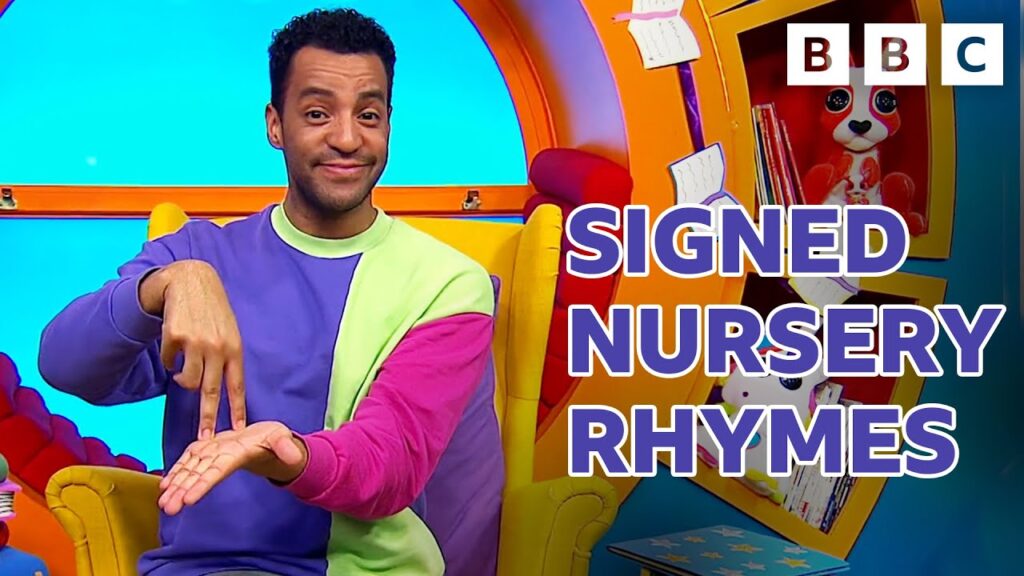
The sign for “song” in British Sign Language (BSL) represents music and is often used in contexts related to singing, music appreciation, or discussing favourite tracks. It resonates strongly within the UK Deaf community, especially during social gatherings, performances, or when sharing musical interests.
How to Sign “Song” in BSL
- Start with your dominant hand in a flat ‘B’ handshape (fingers extended and together, palm facing down).
- Position your hand at chest height, slightly in front of your body.
- Move your hand in a gentle, flowing motion to the right, simulating a wave or the flow of music.
- As you move your hand, maintain a soft facial expression that conveys enjoyment or emotion, reflecting the nature of the song.
- Optionally, you can add a non-manual feature by slightly tilting your head to the side or raising your eyebrows to indicate the topic of the song.
Common Mistakes
- Forgetting to use facial expressions; they are crucial in BSL to convey the meaning and emotion of the sign.
- Using a rigid handshape instead of a flowing motion, which can make the sign appear abrupt rather than musical.
- Not maintaining the correct height; the sign should be at chest level, not too high or low.
BSL vs ASL
In American Sign Language (ASL), the sign for “song” has a different handshape and movement. While BSL uses a flat ‘B’ handshape moving in a flowing manner, ASL typically uses a ‘C’ handshape that mimics the action of holding a microphone or conducting music. This reflects differing cultural interpretations of music and signing styles.
Related Signs
- Music – The general sign for music, often used in discussions about genres or preferences.
- Sing – This sign specifically refers to the act of singing.
- Dance – Related to music, this sign refers to the action of dancing.
- Lyrics – Used when talking about the words of a song.
- Concert – Referring to a live performance of music.
Frequently Asked Questions
How can I use “song” in a BSL sentence?
You can say “I like this song” by signing “I” (point to yourself), “like” (thumbs up), and then “song” as described above.
Are there regional variations for the sign “song”?
While the sign is generally consistent across the UK, some regions may have slight variations in movement or expression, influenced by local Deaf culture.
Are there similar signs to “song”?
Yes, signs like “music” and “sing” are closely related and often used interchangeably in casual conversation.
What tips do you have for learning this sign?
Practice the sign in context, use a mirror to check your facial expressions, and engage with Deaf individuals to see variations in natural usage.
Can I use this sign for different types of songs?
Yes, you can specify types of songs by adding adjectives before the sign, such as “happy song” or “sad song” using appropriate signs for “happy” or “sad.”
What is the importance of facial expressions in signing “song”?
Facial expressions provide emotional context and help convey the meaning of the song, making your signing more expressive and engaging.
Practice ASL Signs
Use your camera to practice signs and get real-time AI feedback on your technique.
Free · No signup required