
Dance in British Sign Language (BSL)
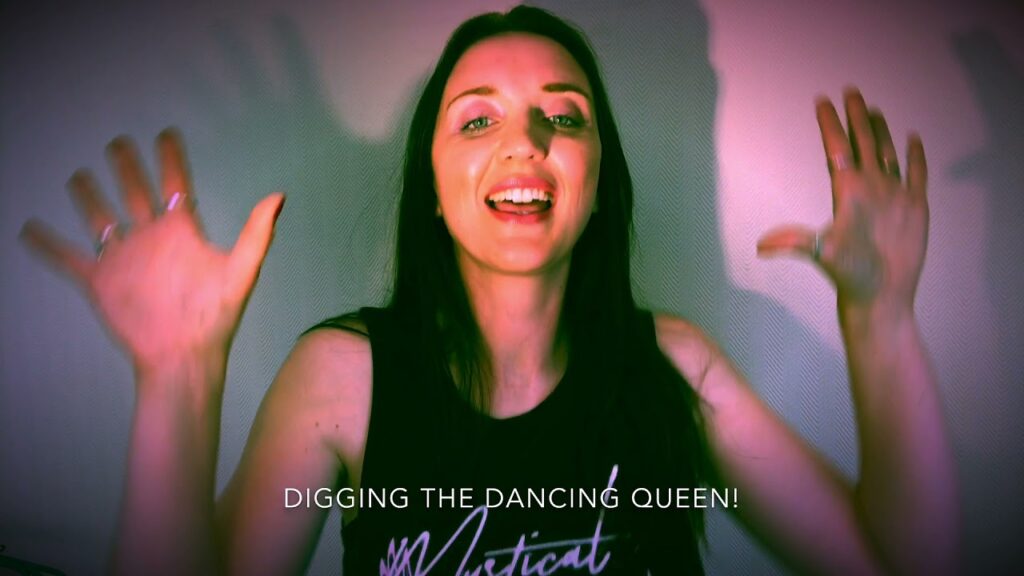
The sign for “dance” in BSL is a vibrant expression used to convey the joy and movement associated with dancing. It is commonly used in social settings, performances, and discussions about music and dance styles within the UK Deaf community.
How to Sign “Dance” in BSL
- Start with both hands in front of you, palms facing down.
- Form your hands into loose “C” shapes, with fingers slightly curved.
- Move your hands in a rhythmic, circular motion, mimicking the flow of dancing.
- While doing this, maintain an expressive facial expression, showing enjoyment or excitement.
- Optionally, you can add body movements, such as swaying or stepping side to side, to enhance the sign.
Common Mistakes
- Forgetting to use facial expressions, which are crucial for conveying emotion in BSL.
- Using stiff hands instead of relaxed “C” shapes, which can make the sign look unnatural.
- Neglecting the rhythmic movement, which is essential for representing the act of dancing.
BSL vs ASL
In BSL, the sign for “dance” uses a circular motion with relaxed hands, while in ASL, the sign is more angular and uses a different handshape. This highlights the unique grammar and cultural expressions in each sign language.
Related Signs
- Music – The sign for music plays an important role in the context of dance.
- Party – Often associated with social dancing and events.
- Fun – A feeling commonly linked to dancing activities.
- Move – A broader term that encompasses various types of physical movement, including dance.
Frequently Asked Questions
Can “dance” be used in different sentences?
Yes! You can use “dance” in various contexts, such as “I want to dance” or “Let’s dance.” Remember to structure your sentences using the topic-comment format.
Are there regional variations for the sign “dance”?
Generally, the sign remains consistent across the UK, but some variations may occur in speed or intensity, depending on regional styles.
What are some similar signs to “dance”?
Signs like “party” and “music” are closely related, as they often accompany dancing in social contexts.
Any tips for learning this sign?
Practice in front of a mirror to see your facial expressions and hand movements. Join a local BSL class for more interactive learning.
Can I incorporate this sign into storytelling?
Absolutely! Using “dance” in storytelling can add vibrancy and engage your audience, especially when describing characters or scenes related to music.
What is the importance of facial expressions in this sign?
Facial expressions in BSL are vital for adding context and emotion, making the sign for “dance” more lively and relatable.
Practice ASL Signs
Use your camera to practice signs and get real-time AI feedback on your technique.
Free · No signup required