
Smile in British Sign Language (BSL)

The sign for “smile” in BSL expresses happiness and friendliness. It’s commonly used in everyday conversations to convey positivity or to describe someone’s facial expression. This sign is often accompanied by a happy facial expression to enhance its meaning.
How to Sign “Smile” in BSL
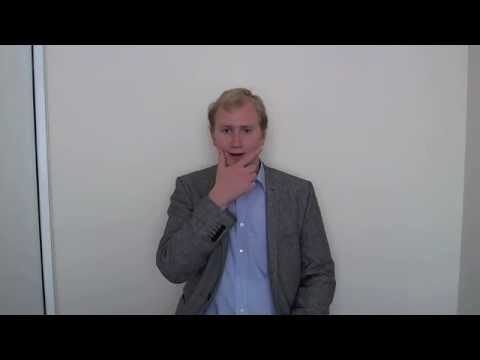
- Start with both hands in front of your face, fingers slightly curled.
- Position your hands so that the palms face each other, with the thumbs pointing upwards.
- Gently move your hands outward and upward, creating a smooth arc from the sides of your mouth, mimicking a natural smile.
- While signing, ensure your facial expression is joyful; this is crucial as non-manual features enhance the meaning.
- For emphasis, you can also slightly tilt your head forward while signing.
Common Mistakes
- Focusing too much on the hand movement without incorporating an expressive facial expression can lead to a lack of clarity.
- Using a flat hand shape instead of the slightly curled fingers may make the sign less clear.
- Forgetting the topic-comment structure, such as not setting up the context before signing.
BSL vs ASL
In BSL, the sign for “smile” involves moving both hands outward from the mouth, reflecting the shape of a smile. In ASL, the sign is done using a single hand that touches the corners of the mouth and moves outward. The two signs differ in both handshape and movement, showcasing the unique characteristics of each sign language.
Related Signs
- Happy – Expressing feelings of joy or contentment.
- Laugh – Signifying laughter, often related to happiness.
- Joyful – A more intense expression of happiness.
- Friendly – Indicating a welcoming or warm demeanor.
- Grin – A broader smile, often indicating amusement.
Frequently Asked Questions
How can I use “smile” in a BSL sentence?
You can use “smile” as a comment in a sentence. For example, “I smile” can be signed by first establishing the topic with “I” (pointing to yourself), followed by the sign for “smile.”
Are there regional variations for “smile” in BSL?
While the sign for “smile” is generally consistent across the UK, some regional dialects may have slight variations in movement or speed.
What other signs are similar to “smile”?
Signs like “happy,” “laugh,” and “joyful” share similar themes of expressing positive emotions and can be used in related contexts.
Any tips for learning this sign?
Practice in front of a mirror to see your facial expressions and hand movements. Also, try to incorporate it into conversations to reinforce your learning.
Can I use “smile” to describe someone else’s expression?
Yes, you can sign “smile” to describe how someone else looks, just remember to establish the person you are referring to first.
How important are non-manual features in BSL?
Non-manual features, like facial expressions, are crucial in BSL. They add meaning to your signs and convey emotions more effectively.
Practice ASL Signs
Use your camera to practice signs and get real-time AI feedback on your technique.
Free · No signup required