
Samples in British Sign Language (BSL)
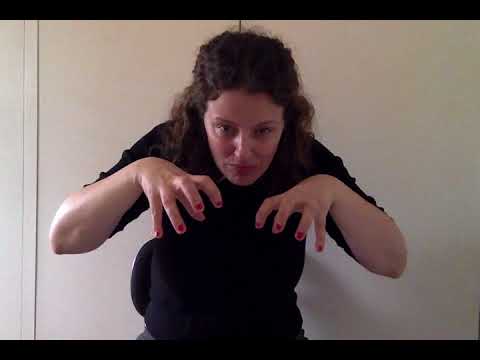
The sign for “samples” in British Sign Language (BSL) is commonly used when discussing examples or instances of a particular item or concept. It plays a significant role in educational settings, product demonstrations, or when sharing experiences within the UK Deaf community. Using this sign helps convey the idea of providing tangible examples, enriching conversations and understanding.
How to Sign “Samples” in BSL
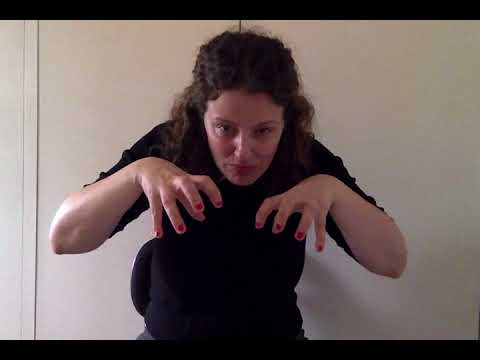
- Start with your dominant hand in a flat ‘B’ shape (palm facing down).
- Position your dominant hand slightly to the side of your non-dominant hand, which is also in a flat ‘B’ shape, palms facing up.
- Move your dominant hand forward a short distance, then pull it back towards your body, as if presenting something.
- Maintain an expressive facial expression to convey the importance of the samples you are discussing.
Common Mistakes
- Confusing the hand shapes; ensure both hands are in the flat ‘B’ shape.
- Not maintaining eye contact or facial expressions, which are crucial for effective communication in BSL.
- Failing to use the correct space to represent the samples being presented, which can lead to misunderstandings.
BSL vs ASL
In American Sign Language (ASL), the sign for “samples” can differ significantly from BSL. While BSL uses a flat hand shape to indicate samples, ASL may employ different movements and hand shapes that are unique to its grammar and structure. This highlights the rich diversity of sign languages across cultures.
Related Signs
- Example – Used to illustrate a point or concept.
- Sample – A more general sign for a small part of a whole.
- Presentation – Related to showing or demonstrating something.
- Exhibit – To display or present something for viewing.
- Instance – Refers to a particular case or example.
Frequently Asked Questions
How can I use “samples” in a BSL sentence?
You can use “samples” to introduce examples in a sentence like: “I have samples to show you.” This can be signed as “I (point) have (sign) samples (perform sign) to show (point outward) you (point to listener).”
Are there regional variations for this sign in the UK?
While the sign for “samples” is generally consistent across the UK, some regions may have slight variations in the movement or handshape. Always observe local signs and ask for clarification if unsure.
What are some similar signs to “samples”?
Signs like “example” and “instance” are closely related, as they also involve presenting or showcasing information. Each sign focuses on different nuances of providing examples.
What tips do you have for learning this sign?
Practice in front of a mirror to observe your hand shapes and movements. Additionally, engage with Deaf peers to receive feedback on your signing.
Can “samples” be used in a formal setting?
Yes, “samples” can be used in both formal and informal settings. It’s especially useful in educational contexts or professional presentations where examples are needed.
What non-manual features should I consider?
Facial expressions play a significant role in BSL. For “samples,” using an interested or excited expression helps convey the importance of what you’re discussing.
Practice This Sign
Try signing Samples In Bsl with your camera and get AI coaching on your handshape, movement, and location.
Free · No signup required