
Rage in British Sign Language (BSL)

The sign for “rage” in BSL expresses a strong feeling of anger or intense frustration. It’s commonly used in conversations among the UK Deaf community when discussing feelings, conflicts, or dramatic situations. This sign conveys the depth of emotion associated with rage, making it a powerful tool for expression.
How to Sign “Rage” in BSL
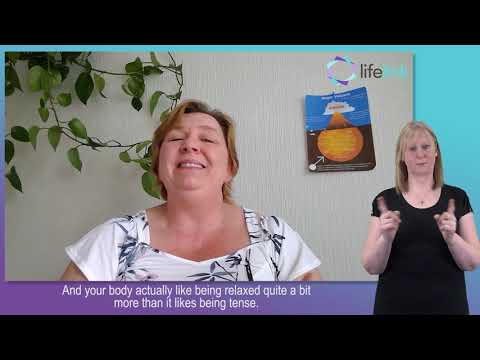
- Start with both hands in a fist shape, with your thumbs wrapped around the outside of your fingers.
- Position your hands near your chest, with your elbows bent and close to your body.
- In one swift movement, push your fists outward and slightly upward while maintaining the fist shape.
- As you move your hands, incorporate a strong facial expression that reflects anger or frustration. Furrow your brows and tighten your lips to emphasize the emotion.
- Ensure your body language is assertive, using your upper body to convey the intensity of the feeling.
Common Mistakes
- Using an open hand instead of a fist, which can change the meaning of the sign.
- Not incorporating an appropriate facial expression, which is crucial for conveying the intensity of “rage.”
- Performing the sign too slowly, which may not effectively communicate the urgency of the emotion.
BSL vs ASL
In BSL, the sign for “rage” uses a fist motion to denote intensity, focusing on facial expressions and body language. In contrast, ASL may use a different handshape and movement, reflecting cultural differences in expressing emotions. Understanding these nuances is essential for effective communication in each community.
Related Signs
- Anger – A sign representing general feelings of anger.
- Frustration – Indicates feelings of annoyance or disappointment.
- Fury – A more intense sign for extreme anger.
- Sadness – Represents feelings of sorrow or unhappiness.
- Happiness – Expresses feelings of joy or contentment.
Frequently Asked Questions
How can I use “rage” in a BSL sentence?
You can structure a sentence like this: “I feel rage when people lie to me.” In BSL, you would sign “I” + “rage” + “feel” + “people lie” using the topic-comment structure.
Are there regional variations for this sign in the UK?
While the sign is generally consistent, some regional variations may exist based on local dialects within the Deaf community. Observing how others use the sign can help.
What are some similar signs to “rage”?
Signs such as “anger” and “frustration” represent related emotions. Each has its own unique sign but reflects various levels of emotional intensity.
What tips can help me learn this sign effectively?
Practice in front of a mirror to check your facial expressions and hand movements. Additionally, watching native signers can give you a better understanding of the sign’s context.
Can I use this sign in different contexts?
Yes, “rage” can be used in various contexts, such as describing personal feelings, discussing conflicts, or expressing frustration in social situations.
How can I improve my facial expressions in BSL?
Facial expressions are crucial in BSL. Try to mimic the emotions you want to convey while practicing signs. Watching videos of fluent signers can also provide guidance.
Practice This Sign
Try signing Rage In Bsl with your camera and get AI coaching on your handshape, movement, and location.
Free · No signup required