
Racial Discrimination in British Sign Language (BSL)
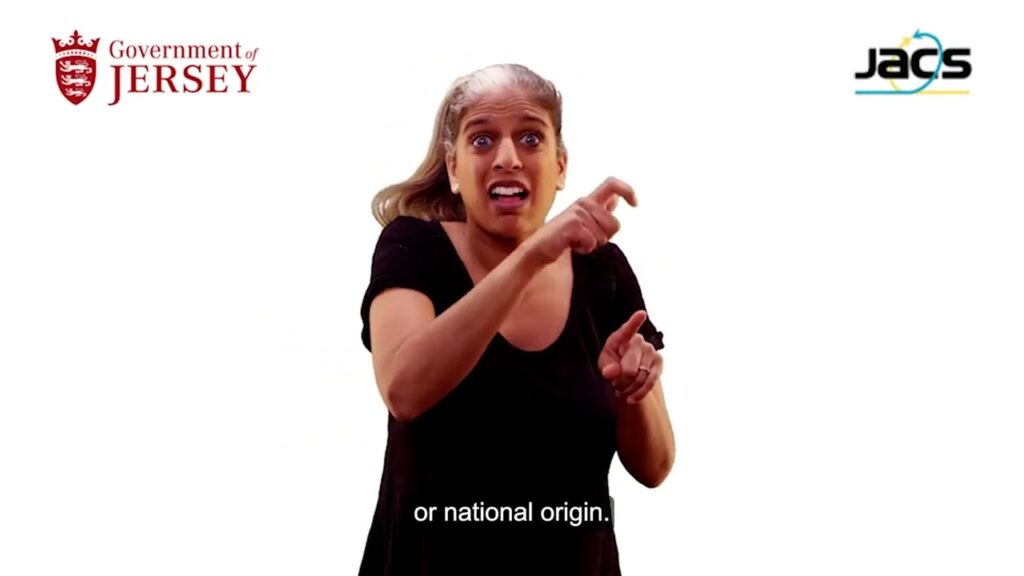
The sign for “racial discrimination” in BSL is important in discussions surrounding equality and social justice within the UK Deaf community. It is often used in conversations about experiences of discrimination or in advocacy for rights and representation. Understanding this sign can enhance awareness of the issues faced by many individuals.
How to Sign “Racial Discrimination”

- Start with your dominant hand in a flat ‘B’ shape, palm facing down, and position it slightly in front of your chest.
- Move your hand downward while simultaneously bending your elbow, creating a downward motion that represents the act of discrimination.
- For “racial,” use your non-dominant hand to outline an imaginary figure, representing diversity. Place your non-dominant hand in front of your body with the palm facing you.
- As you outline the figure, use your dominant hand to make a downward motion to emphasize the impact of discrimination.
- Throughout the sign, maintain a serious facial expression to convey the gravity of the topic. Your eyebrows should be furrowed to indicate concern.
Common Mistakes
- Forgetting to use facial expressions, which are essential for conveying the emotional weight of the sign.
- Not using the correct handshape; ensure your dominant hand is in the flat ‘B’ shape during the downward motion.
- Omitting the use of space to represent diversity, which can weaken the meaning of the sign.
BSL vs ASL
In BSL, the sign for “racial discrimination” incorporates facial expressions and specific hand shapes to convey the message effectively. In ASL, the sign may differ in hand shapes and movements, focusing more on a specific gesture rather than the same topic-comment structure found in BSL. This highlights the unique grammar and cultural context of each sign language.
Related Signs
- Equality – A sign representing fairness and equal rights.
- Discrimination – A broader sign for any form of unfair treatment.
- Race – The sign for race, focusing on ethnic and cultural identities.
- Advocacy – A sign used when discussing support for rights and equality.
- Diversity – A sign that emphasizes the importance of different cultures and backgrounds.
Frequently Asked Questions
How can I use this sign in a sentence?
You can use the sign by stating, “Racial discrimination is a problem in society.” Remember to sign the topic first, followed by the comment.
Are there any regional variations in this sign across the UK?
While the core sign remains consistent, some regions may have slight variations in hand shapes or movements. It’s good to learn from local Deaf communities.
What are some similar signs to learn?
Similar signs include “discrimination,” “equality,” and “race.” Each sign builds on the theme of social justice and awareness.
What tips can help me learn this sign better?
Practice in front of a mirror to observe your facial expressions and hand movements. Also, engage with members of the Deaf community for feedback.
Why is facial expression important in this sign?
Facial expressions enhance the meaning and emotional weight of the sign, helping to convey seriousness and urgency regarding racial discrimination.
Can I use this sign in advocacy discussions?
Absolutely! This sign is very relevant in advocacy discussions and can help raise awareness about racial discrimination within the community.
Practice This Sign
Try signing Racial Discrimination In Bsl with your camera and get AI coaching on your handshape, movement, and location.
Free · No signup required