
Quiver in British Sign Language (BSL)
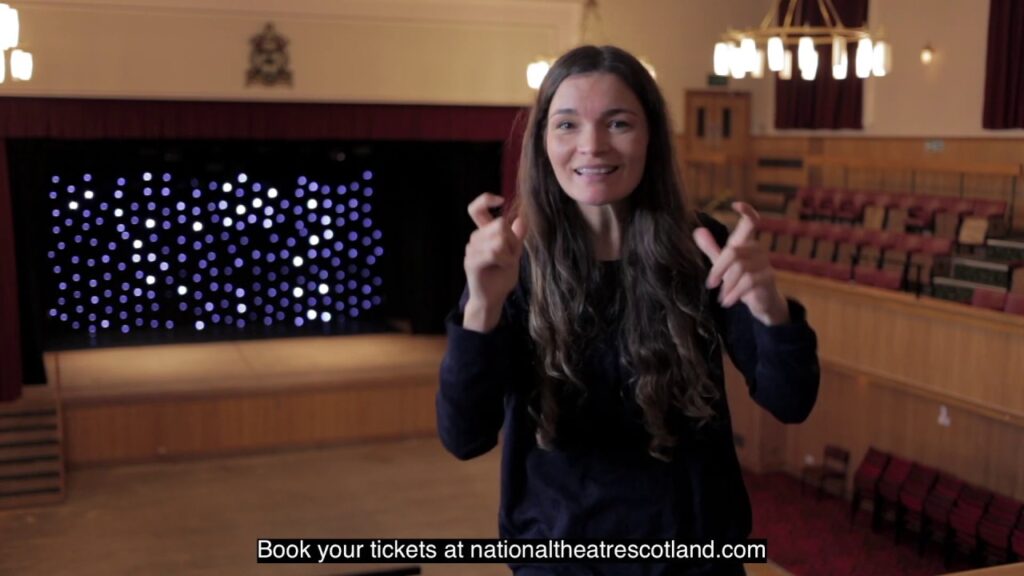
The sign “quiver” in BSL refers to a shaking or trembling motion, often used to describe a feeling of fear, excitement, or cold. It’s commonly used in storytelling or when expressing emotions, making it a vibrant part of BSL communication. This sign can add depth to conversations, especially when discussing feelings or physical sensations.
How to Sign “Quiver” in BSL

- Start with both hands in a loose ‘claw’ shape (like a relaxed C handshape).
- Hold your hands at chest height, palms facing each other, a few inches apart.
- Begin to move your hands slightly up and down while also shaking them side to side. This motion should mimic a quivering or trembling effect.
- Incorporate appropriate facial expressions, such as widening your eyes or raising your eyebrows, to convey the emotion associated with the quiver.
- Maintain a steady rhythm in your hand movements, ensuring they are noticeable but not overly exaggerated.
Common Mistakes
- Forgetting to use facial expressions, which are crucial for conveying the emotional aspect of the sign.
- Using stiff hands instead of a relaxed ‘claw’ shape, making the sign less fluid and expressive.
- Not maintaining the correct distance between hands, which can affect the clarity of the sign.
BSL vs ASL
In BSL, the sign for “quiver” focuses on a specific handshape and movement that conveys emotion through the hands and facial expressions. In contrast, ASL may use a different handshape and motion to express a similar concept. Understanding these differences can help learners appreciate the uniqueness of each sign language.
Related Signs
- Excitement – A sign expressing joy or enthusiasm.
- Fear – A sign used to convey feelings of fright or anxiety.
- Cold – A sign that describes the sensation of feeling cold.
- Tremble – Similar to quiver, but can denote a more intense shaking.
- Shake – A general sign for shaking, which can be used in various contexts.
Frequently Asked Questions
How can I use “quiver” in a BSL sentence?
You can use “quiver” to describe how you feel in certain situations, for example, “I quiver when I am cold.” In BSL, this would involve signing “I” followed by “COLD” and then “QUIVER.”
Are there regional variations for this sign?
While the sign for “quiver” is generally consistent across the UK, some regional variations may exist. It’s always good to observe and ask local signers for preferences.
What are some signs similar to “quiver”?
Signs like “tremble” and “shake” can be similar in meaning, but they may convey slightly different emotional contexts or intensities.
What tips do you have for learning this sign?
Practice in front of a mirror to check your handshape and facial expressions. Watching native signers can also help you understand the nuances of the sign.
Can “quiver” be used in different contexts?
Yes, “quiver” can be used in various contexts, such as describing physical sensations, emotions, or even actions like a leaf quivering in the wind.
How do non-manual features enhance this sign?
Non-manual features, like facial expressions, are vital in BSL as they add emotional depth to the sign, making it clearer and more expressive.
Practice This Sign
Try signing Quiver In Bsl with your camera and get AI coaching on your handshape, movement, and location.
Free · No signup required