
Please and ‘thank You in British in British Sign Language (BSL)

The signs for “please” and “thank you” are fundamental expressions of politeness in British Sign Language (BSL). These signs are commonly used in everyday interactions within the UK Deaf community, reflecting respect and gratitude. Learning these signs helps foster positive communication and connection among users.
How to Sign “Please And ‘Thank You In British” in BSL
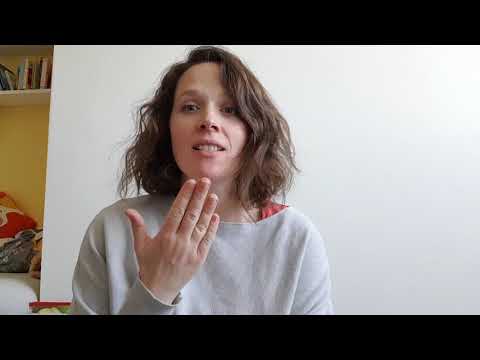
- Please: Start with your dominant hand open, palm facing inwards. Place your hand on your chest and move it in a circular motion, making a gentle upward movement. Your facial expression should be friendly and sincere.
- Thank You: Begin with your dominant hand in a flat shape (like a ‘5’ handshape). Position your hand in front of your chin, palm facing towards you. Move your hand outward and slightly away from your face, as if you’re gently pushing away a gesture of gratitude. Maintain a warm smile to convey appreciation.
Common Mistakes
- For “please,” some learners may forget to use the circular motion, making it less expressive.
- When signing “thank you,” learners might not extend their hand far enough, which can make the sign less clear.
- Neglecting facial expressions can lead to misunderstandings; remember that non-manual features are crucial in BSL.
BSL vs ASL
In American Sign Language (ASL), “please” is signed similarly, but “thank you” has a different handshape and movement. BSL emphasizes the facial expressions more strongly, while ASL may use different signs altogether to convey the same meanings.
Related Signs
- Please: A sign expressing a request politely.
- Thank You: A sign used to express gratitude.
- Sorry: A sign for apologising or expressing regret.
- Hello: A friendly greeting sign.
- Goodbye: A way to bid farewell.
Frequently Asked Questions
How do you use “please” and “thank you” in BSL sentences?
You can incorporate these signs into sentences by placing them at the end or at the beginning as a polite way to enhance your communication. For example, “Can you help me, please?” can be signed with “help” followed by the sign for “please.”
Are there regional variations for these signs in the UK?
Generally, “please” and “thank you” are consistent across the UK. However, some regional nuances in facial expressions or speed may exist, reflecting local dialects.
What are some similar signs to “please” and “thank you”?
Related signs include “sorry” and “welcome,” which also express politeness and gratitude in different contexts.
Any tips for learning these signs effectively?
Practice regularly with friends or in groups. Use mirror practice to check your hand shapes and movements. Watching videos can also help reinforce proper techniques.
Can I combine “please” and “thank you” in one sentence?
Yes, you can use both signs together in a sentence to convey a polite request followed by gratitude, enhancing your communication.
Should I always use facial expressions when signing?
Yes! Facial expressions are essential in BSL and can change the meaning of a sign. They help convey emotion and intention.
Practice ASL Signs
Use your camera to practice signs and get real-time AI feedback on your technique.
Free · No signup required