
Offense in British Sign Language (BSL)

The sign for “offense” in BSL refers to an action or behaviour that causes displeasure or hurt, often used in discussions about feelings, relationships, or social interactions. It’s commonly used in the Deaf community to express grievances or to discuss situations where someone feels wronged.
How to Sign “Offense” in BSL
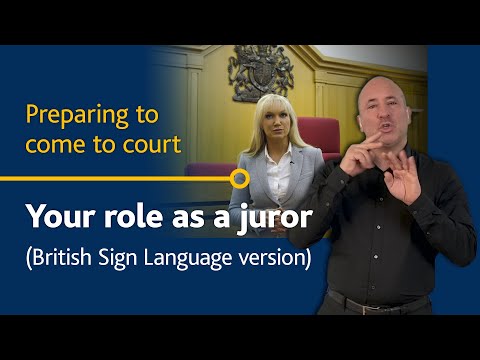
- Start with your dominant hand in a flat ‘O’ shape (fingers together, thumb extended). This is your starting handshape.
- Position your hand near your chest, with your palm facing towards you.
- Move your hand away from your body slightly, while maintaining the ‘O’ shape. This movement represents the action of causing offense.
- As you move your hand, furrow your brow and tilt your head slightly to the side to express the emotional weight of the sign.
- Finish the sign by returning your hand to the starting position near your chest.
Common Mistakes
- Forgetting to use facial expressions, which are crucial for conveying the emotional context of the sign.
- Incorrect handshape; using a closed fist instead of the ‘O’ shape can change the meaning.
- Not utilizing space effectively to indicate who is being offended and by whom, which is essential for clarity in BSL.
BSL vs ASL
In BSL, the sign for “offense” involves a specific handshape and movement that reflects the emotional aspect of the action. In contrast, ASL uses a different handshape and movement, often with a more straightforward gesture without the same emphasis on facial expression or emotional context.
Related Signs
- Offense – The general sign for offense.
- Hurt – To express physical or emotional pain.
- Sad – A sign used when expressing feelings of sadness.
- Angry – To indicate anger towards a situation or person.
- Disrespect – To signify feelings of being disrespected.
Frequently Asked Questions
How do I use “offense” in a BSL sentence?
You could say, “I feel offense” by signing “I” (point to yourself), then “feel” (hand on chest), followed by the sign for “offense.”
Are there regional variations for the sign “offense”?
While the sign is generally consistent across the UK, some regions may have slight variations in movement or facial expressions. It’s helpful to observe local signers for nuances.
What are some similar signs to “offense”?
Related signs include “hurt,” “angry,” and “sad,” which are often used in similar contexts to express emotional states.
Any tips for learning this sign?
Practice in front of a mirror to check your facial expressions and handshape. Observing native signers can also enhance your understanding.
Can I use “offense” in different contexts?
Yes, “offense” can describe feelings in various contexts, such as personal relationships, social situations, or discussions about behaviour.
Is facial expression important in BSL?
Absolutely! Facial expressions convey emotions and are an integral part of BSL grammar, enhancing the meaning of your signs.
Practice This Sign
Try signing Offense In Bsl with your camera and get AI coaching on your handshape, movement, and location.
Free · No signup required