
Objectiveness in British Sign Language (BSL)

The sign for “objectiveness” in BSL expresses the concept of being impartial or unbiased. It’s commonly used in discussions about opinions, information sharing, or decision-making within the UK Deaf community. This sign emphasizes the importance of fairness and neutrality in communication.
How to Sign “Objectiveness” in BSL
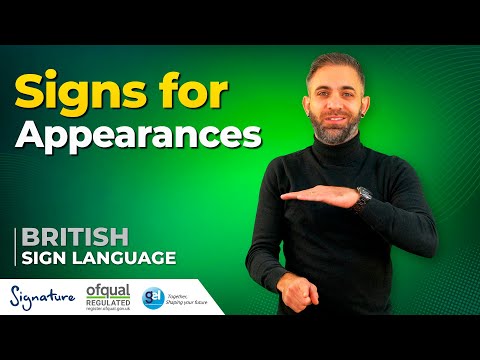
- Start with your dominant hand in a flat ‘B’ shape, palm facing down.
- Position your hand in front of your chest, at about shoulder height.
- Move your hand slightly forward while keeping the palm down, indicating a neutral stance.
- As you move your hand, maintain a thoughtful facial expression, showing that you are considering multiple perspectives.
- Finish the sign by returning your hand to the starting position, signifying the conclusion of your neutral stance.
Common Mistakes
- Some learners may confuse the handshape or forget to maintain a neutral facial expression, which is essential for conveying objectiveness.
- Using an aggressive movement instead of a gentle forward motion can change the meaning to something more confrontational.
- Failing to use space effectively can make the sign less clear; remember to keep your hand in front of you and make your movements deliberate.
BSL vs ASL
In BSL, “objectiveness” is conveyed through a specific handshape and movement that emphasizes neutrality. In contrast, ASL uses a different sign altogether, focusing on the concept of fairness through distinct gestures. This highlights the unique grammatical structures and vocabulary of each sign language.
Related Signs
- Fair – Represents the concept of fairness in various situations.
- Neutral – Indicates a balanced or unbiased position.
- Opinion – Expresses a personal viewpoint or belief.
- Justice – Relates to fairness and equality in society.
- Bias – Signifies partiality or favoritism.
Frequently Asked Questions
How can I use “objectiveness” in a BSL sentence?
You can use it to discuss topics like decision-making, saying something like, “I aim for objectiveness in my choices.”
Are there regional variations for this sign?
In general, the sign is consistent across the UK, but some regions may have slight variations in movement or facial expressions.
What are some signs similar to “objectiveness”?
Related signs include “fair,” “neutral,” and “bias,” which all deal with perceptions and judgments.
What tips can help me learn this sign?
Practice in front of a mirror to check your handshape and facial expressions. Watching native signers can also help reinforce your understanding.
Is “objectiveness” used in everyday conversation?
Yes, it is commonly used in discussions about opinions, debates, and decision-making processes.
Can I teach this sign to hearing people?
Absolutely! Sharing BSL signs promotes inclusivity and helps bridge communication gaps.
Practice This Sign
Try signing Objectiveness In Bsl with your camera and get AI coaching on your handshape, movement, and location.
Free · No signup required