
Objection in British Sign Language (BSL)
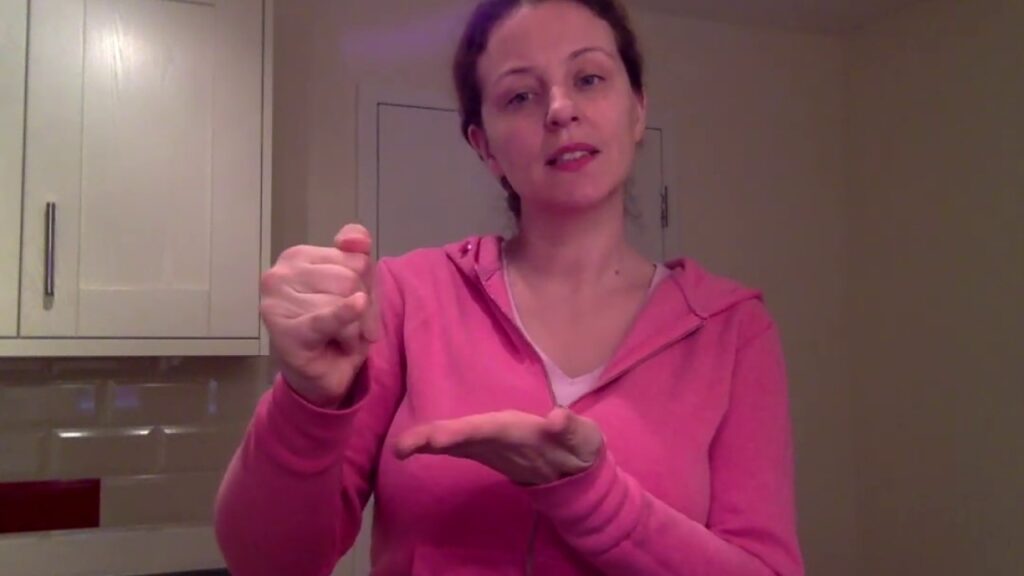
The sign for “objection” in BSL is used to express disagreement or disapproval in various contexts, such as discussions, debates, or formal settings. It reflects a person’s stance against a statement or action. This sign is particularly useful in conversations where clarity of opinion is essential within the UK Deaf community.
How to Sign “Objection” in BSL
- Start with your dominant hand in a flat handshape (similar to a “B” handshape) at chest level.
- Position your hand facing away from you, with your palm pointing forward.
- Move your hand slightly forward while shaking it side to side, as if you are pushing something away.
- Use a facial expression that conveys seriousness or determination, such as frowning or raising your eyebrows slightly.
- Optionally, you can add a non-manual feature by shaking your head side to side to emphasize the objection.
Common Mistakes
- Forgetting to incorporate facial expressions, which are crucial for conveying the intensity of the objection.
- Not using the correct handshape; using a fist instead of a flat hand can change the meaning.
- Using the wrong movement; the side-to-side motion is key to showing objection accurately.
BSL vs ASL
In BSL, “objection” is signed with a flat hand moving away from the body, whereas in ASL, the sign may involve a more complex movement or different handshapes. The two languages have distinct grammar and hand signs, reflecting their unique cultural contexts.
Related Signs
- Disagree – Used to express a lack of agreement.
- Oppose – Indicates a stance against something.
- Refuse – To indicate denial or rejection.
- Agree – The opposite of objection, showing consent.
- Argue – Used for discussions or disputes.
Frequently Asked Questions
How can I use “objection” in a BSL sentence?
You can say, “I have an objection,” by signing “I” (pointing to yourself), followed by the sign for “objection.”
Are there regional variations for this sign in the UK?
While the sign is generally consistent, some regions may have slight variations in movement or facial expressions. It’s best to observe local signers.
What are some similar signs to “objection”?
Related signs include “disagree” and “oppose,” which convey similar meanings but may vary in context.
What tips do you have for learning this sign?
Practice in front of a mirror to check your handshape and facial expressions. Watching native signers can also help you learn the nuances.
Can this sign be used in informal settings?
Yes, “objection” can be used in both formal and informal discussions to express disagreement.
Is there a specific context where this sign is more commonly used?
This sign is often used in debates, legal discussions, or when providing feedback.
Practice This Sign
Try signing Objection In Bsl with your camera and get AI coaching on your handshape, movement, and location.
Free · No signup required